
Last updated October 16, 2026
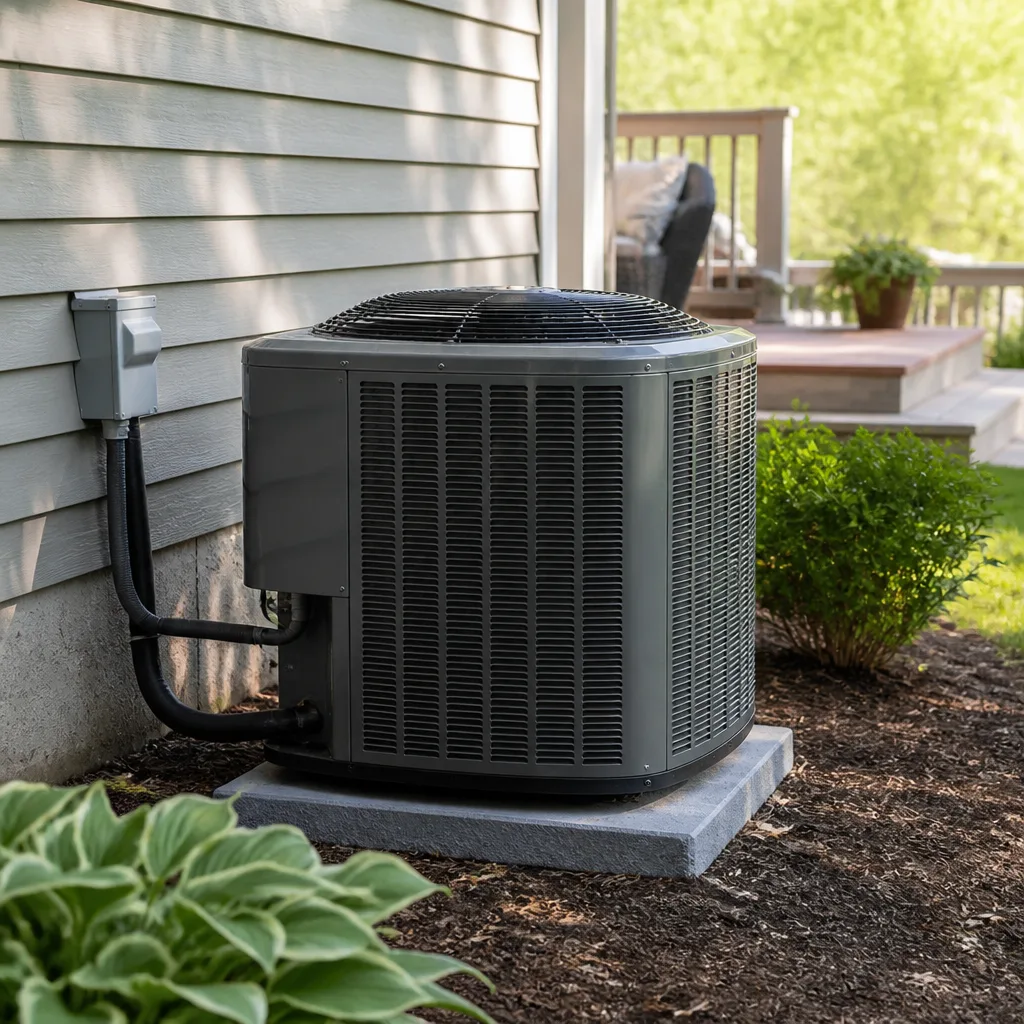 AC repair
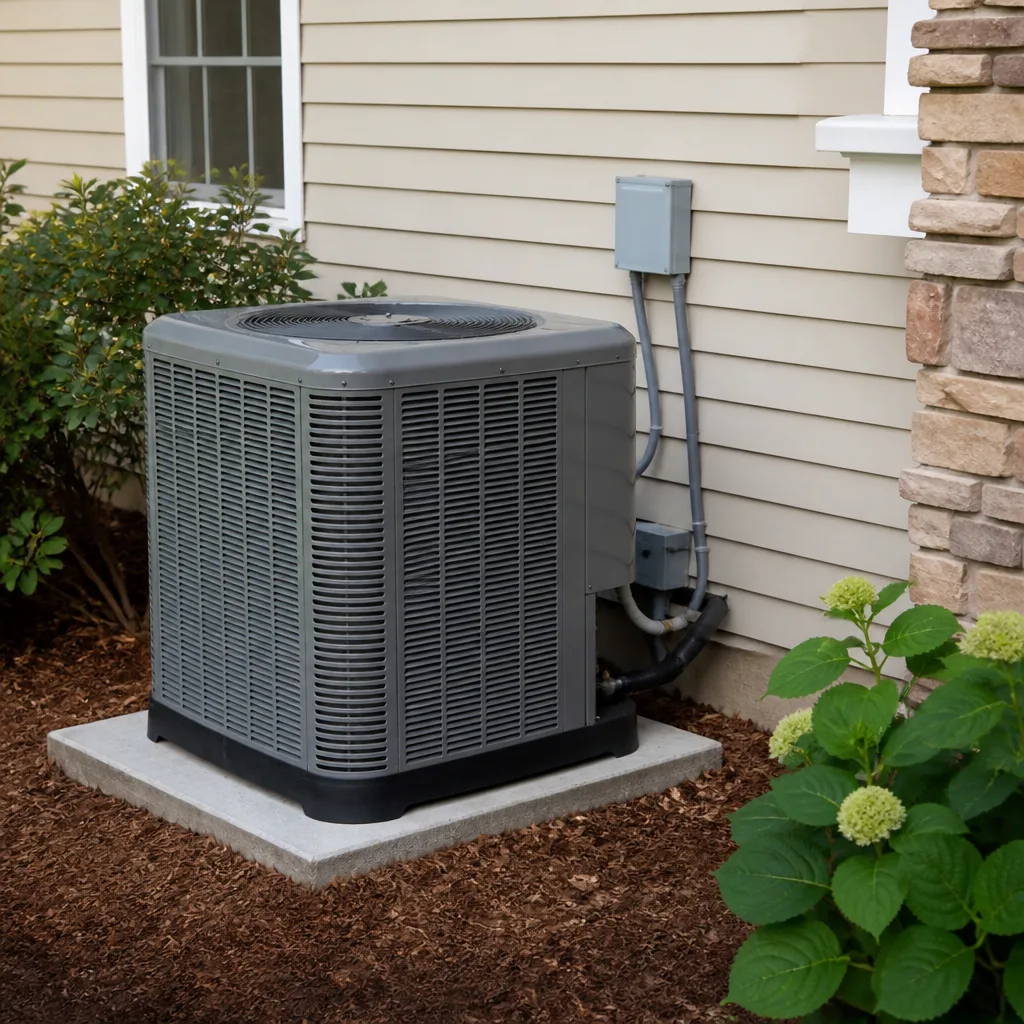 Furnace & heating
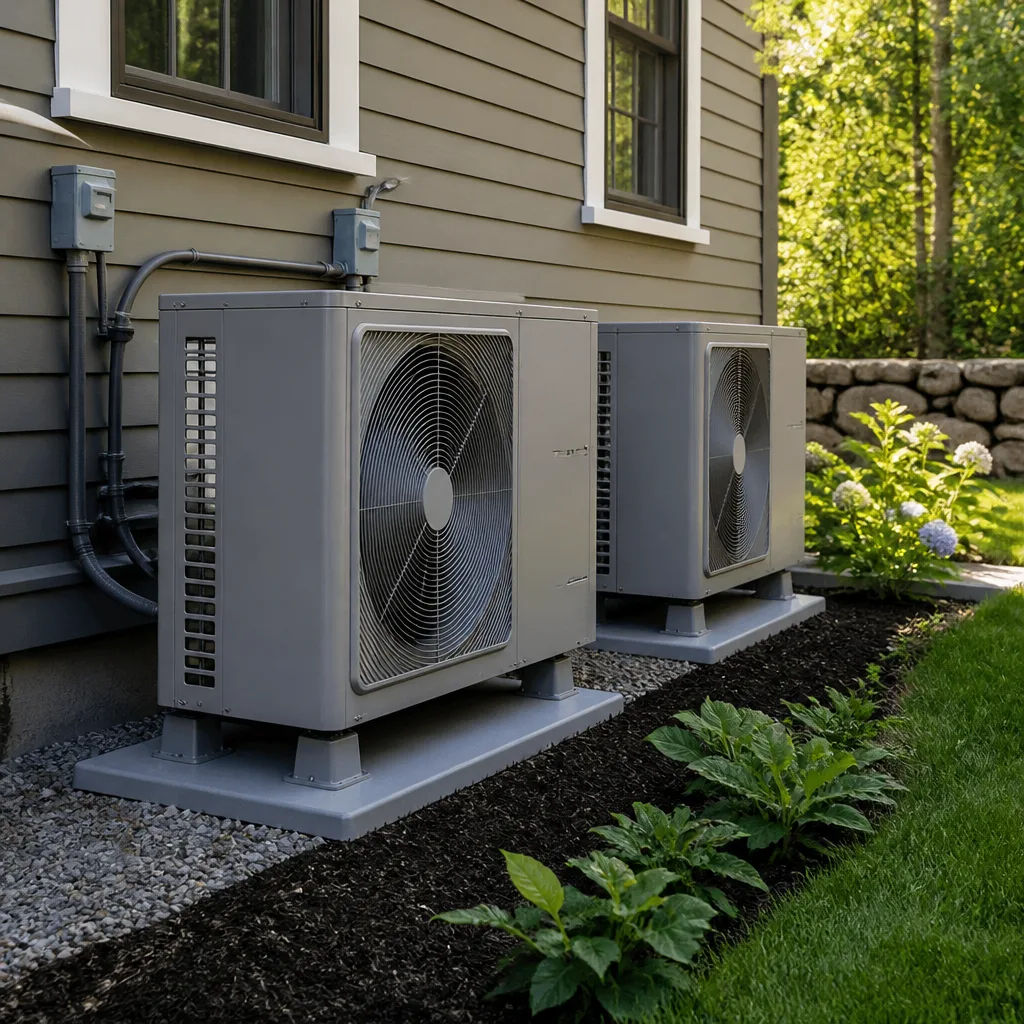 Heat pumps
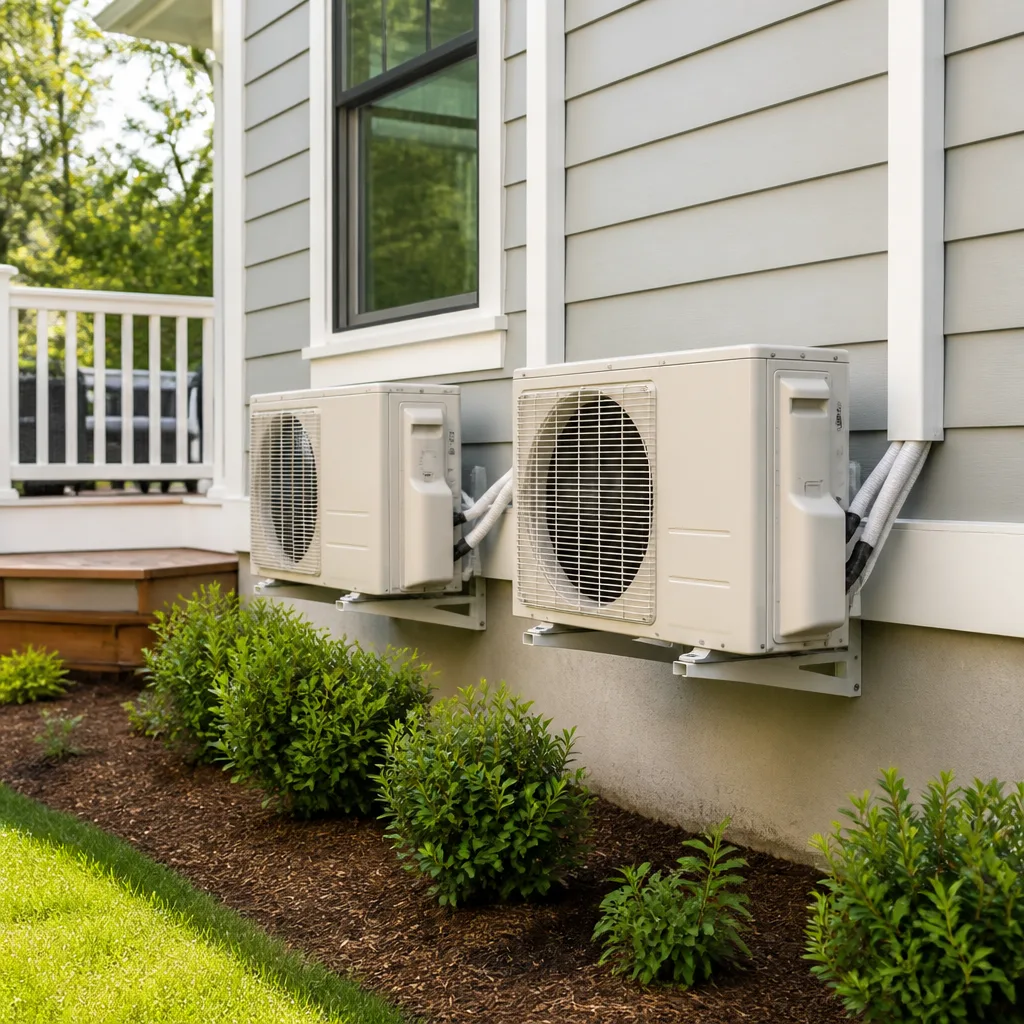 Ductless mini splits
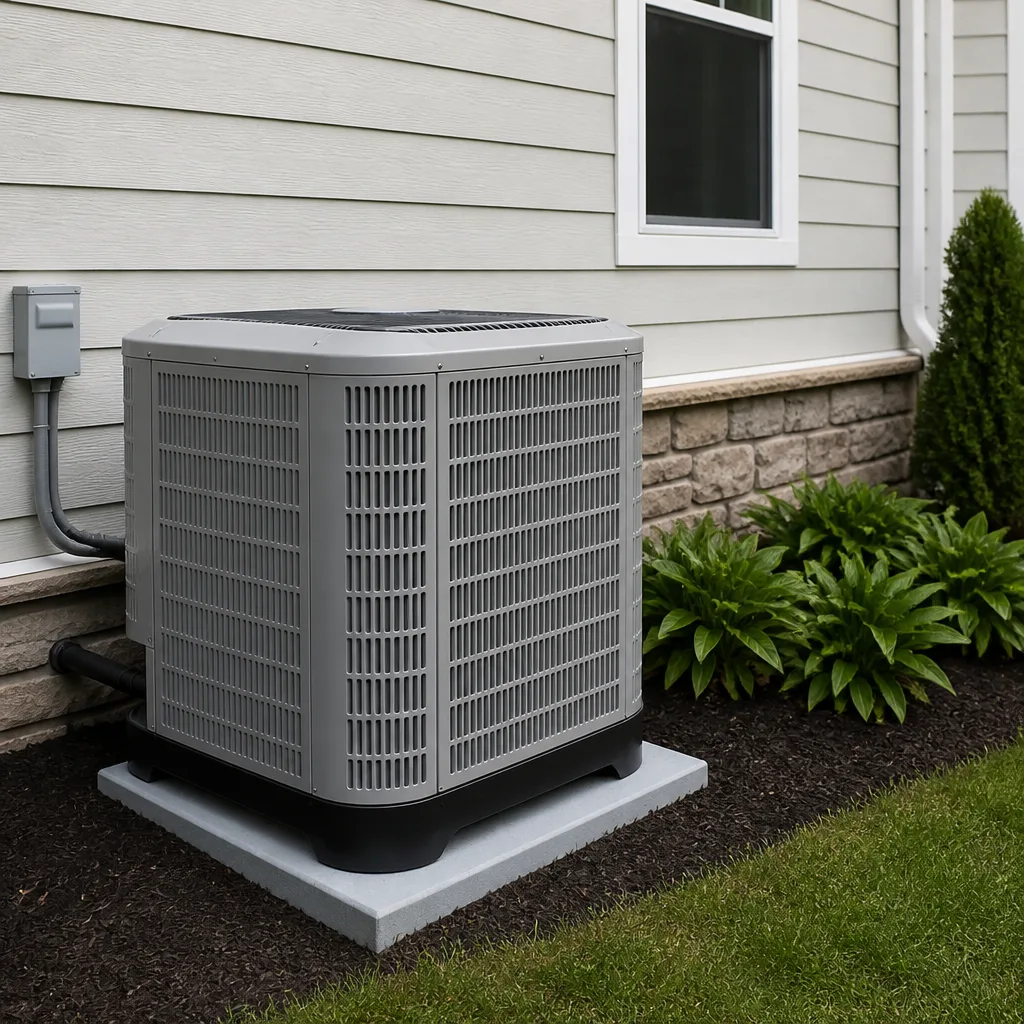 Carrier
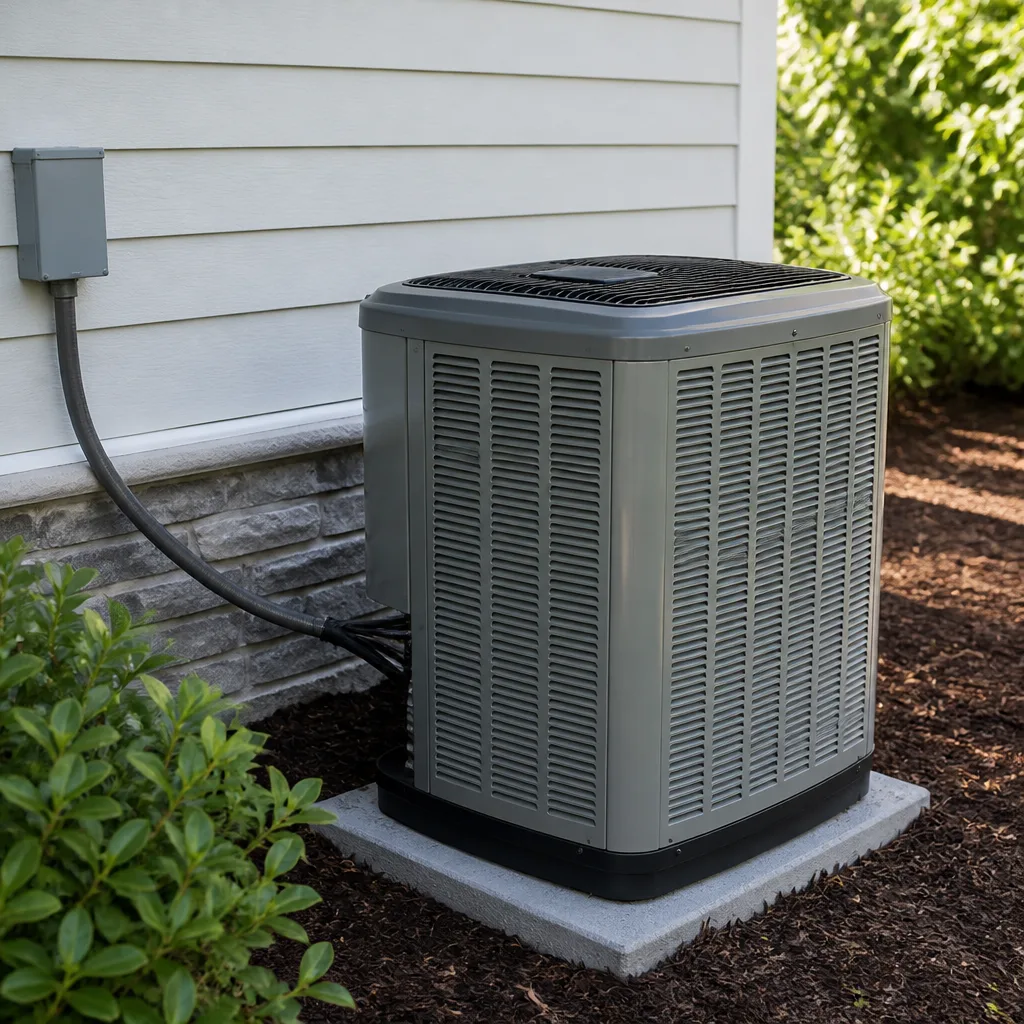 Trane
Trane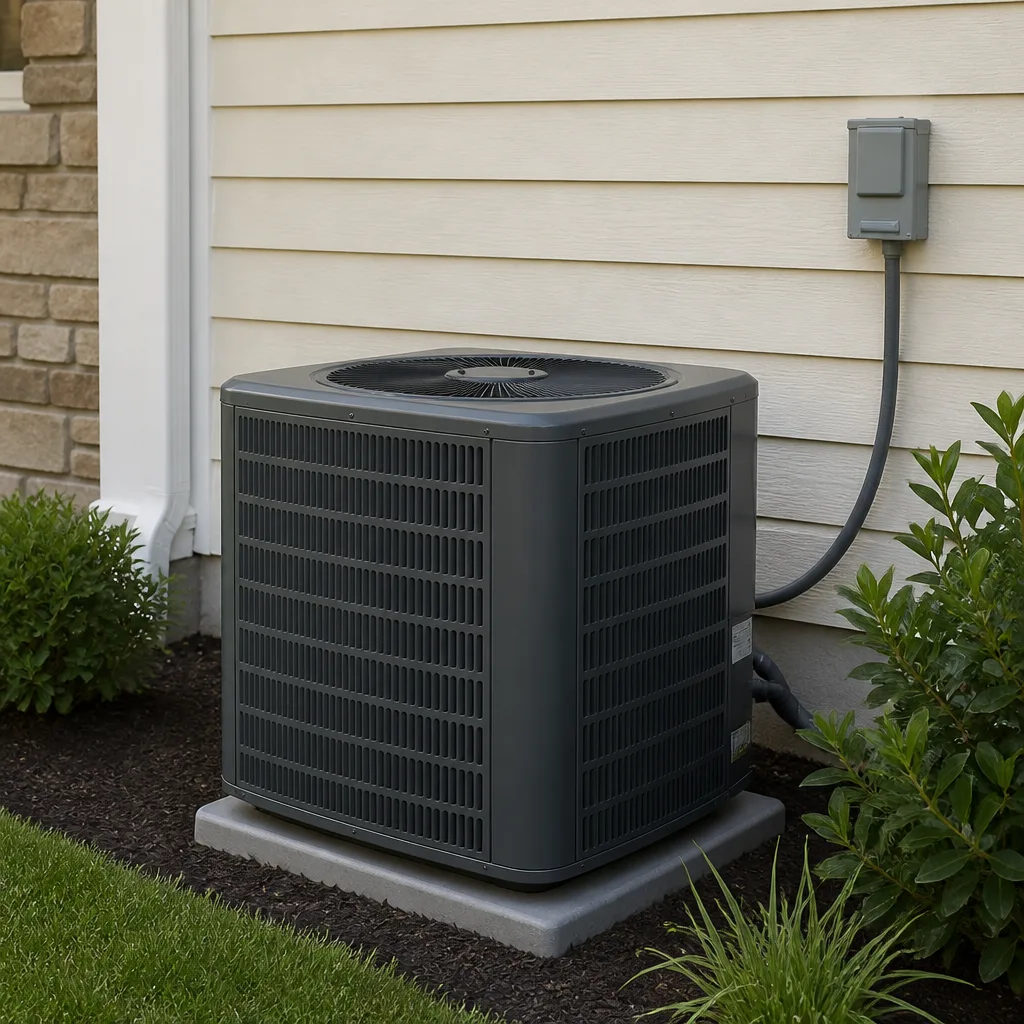 Goodman
Seasonal tune-up and full diagnostic on your Carrier, Trane, or Goodman system - readings shown to you before any repair is proposed
Diagnosis first, numbers second - you approve the repair price before a single part goes in.
Get your free estimateDIY vs Professional HVAC: The Las Vegas Homeowner’s Decision Guide
Las Vegas averages more than 70 days per year above 105°F. That single fact changes every DIY calculation you’ll read online. A capacitor replacement that takes a handy homeowner three hours in Portland can mean 110°F bedroom temperatures by midnight in Summerlin. This guide-and our more guides & resources-won’t tell you that all DIY is reckless or that every repair needs a pro. It will tell you, task by task, what’s actually safe to touch, what’s illegal without a license, what it really costs either way, and how to think about the heat risk window that most generic advice ignores. By the end, you’ll know exactly which jobs you can handle and which ones deserve a call before you’re sweating through Saturday afternoon.
Styles & brands we work with
Quick Answer
Four HVAC tasks are genuinely DIY-safe for Las Vegas homeowners: changing air filters, replacing thermostats, flushing drain lines, and clearing condenser debris. Everything else, from capacitor swaps to refrigerant work, carries risk of injury, equipment damage, warranty voiding, or federal fines for refrigerant handling. In Las Vegas specifically, any repair you start when outdoor temperatures will exceed 100°F within 24 hours shifts the smart decision toward professional service-see our How to Hire a HVAC Contractor in Las Vegas: A Step-by-Step Guide-because a failed DIY attempt can leave your household in medically dangerous indoor heat before a pro can reach you.
Table of Contents
- The Las Vegas Heat Risk Window: The Variable Most Guides Miss
- The Four DIY-Safe Tasks for Las Vegas Homeowners
- What’s Illegal Without a License in Nevada: Refrigerant and Beyond
- The Warranty Trap: How a $40 DIY Fix Can Cost Thousands Later
- DIY Cost vs Professional Cost: A Real Numbers Comparison
- How to Think About Repair vs Replace in a Desert Climate
- Tools and Parts Availability in Las Vegas
- Common Mistakes to Avoid
- When to Call a Professional
- Frequently Asked Questions
- The Bottom Line
The Las Vegas Heat Risk Window: The Variable Most Guides Miss
Most DIY-vs-pro advice treats the decision as a pure skill question: can you do it, or can’t you? In Las Vegas, that framing is dangerously incomplete. The question that matters more is: what happens if you try, fail, and the system stays down?
Here’s the math. In July, Las Vegas overnight lows frequently stay above 85°F. Indoor temperatures without AC in a typical stucco home climb to 95°F within hours and can pass 100°F before morning. For children under four, adults over 65, people with heart or respiratory conditions, and pets, sustained indoor temperatures above 90°F are a genuine medical risk, not discomfort. Heat exhaustion sets in faster than most people realize, and heat stroke can develop inside your own home.
This reality creates what we call the heat risk window. It works like this:
- Check the forecast before starting any AC repair on your own.
- If outdoor temperatures will exceed 100°F within 24 hours of when you start, the downside of a failed DIY attempt is now a household safety issue.
- If the repair takes longer than expected, you discover a second problem, or the fix simply doesn’t work, you’re looking at overnight indoor heat that is medically dangerous for vulnerable family members.
- At that point, you’ll be calling for emergency service anyway, often paying after-hours rates, after already spending money on parts and hours of your time.
None of this means you shouldn’t do the four safe tasks we cover below. It means the window matters. A filter swap on a Tuesday in March? That’s not a decision at all. A capacitor replacement attempted at 9 a.m. on a day that’s forecast to hit 108°F? That’s a gamble with stakes you may not have fully priced in.
We’ve seen this play out across Las Vegas neighborhoods, from Henderson to Centennial Hills. The homeowner who starts a repair on a hot Friday afternoon and the homeowner who starts the same repair at 8 a.m. on a cool October Saturday are making different decisions, even though the task is identical. The heat risk window is what separates them.
The Four DIY-Safe Tasks for Las Vegas Homeowners
Nevada does not require a license for basic, non-invasive HVAC maintenance. That doesn’t mean every unlicensed task is smart. But these four genuinely qualify as DIY-safe for a homeowner willing to spend thirty minutes and follow basic electrical caution: kill power at the breaker before touching anything connected to the unit.
1. Air Filter Replacement (Every 30-60 Days in Summer)
Desert dust makes Las Vegas one of the hardest environments on air filters in the country. A standard 1-inch filter should be checked every 30 days during peak cooling season and replaced when it’s visibly gray or clogged. Most homes use a standard 16x20x1 or 20x25x1 filter, available for $8-$15 at any Home Depot or Lowe’s in the valley.
Steps:
- Locate the filter slot (usually in the return vent or at the air handler).
- Note the arrow on the filter frame; it points toward the blower.
- Slide the old filter out and the new one in, arrow facing the right direction.
- Write the installation date on the filter frame with a marker.
2. Thermostat Replacement
Replacing a basic thermostat with a new model is genuinely simple and requires no special licensing in Nevada. The key safety step is killing power to the HVAC system at the breaker before touching any wiring. Most thermostats use low-voltage control wires, but a short can still blow a fuse on the control board, which turns a $50 DIY upgrade into a $250 service call.
The main thing worth knowing: if you’re moving from an old thermostat to a smart thermostat and you don’t have a C-wire (common wire), you may need an adapter or a professional install. Many Las Vegas homes built before 2015 lack the C-wire that smart thermostats like ecobee or Nest require for consistent power.
3. Drain Line Flush
Your AC produces gallons of condensation per day in Las Vegas heat, and that water leaves through a PVC condensate drain line. Algae and desert dust can clog that line, causing water to back up and trigger the float switch that shuts down your system. A simple flush with white vinegar once per month during summer prevents the vast majority of clogs.
Steps:
- Find the open end of the drain line near the indoor unit.
- Pour one cup of white vinegar down the line.
- Wait 30 minutes, then flush with a cup of warm water.
- If the water drains slowly or not at all, the line is already clogged and you’ll want professional help rather than continuing to pour.
4. Condenser Debris Clearing
The outdoor condenser unit sits in your yard all year, collecting leaves, cottonwood fluff, construction dust, and the occasional plastic bag. Restricted airflow across the condenser coils forces the system to work harder, which shortens its life and raises your summer power bill. You can safely clear visible debris without touching any internal components.
Steps:
- Kill power to the outdoor unit (there’s usually a disconnect box on the wall next to it).
- Remove large debris by hand from the exterior grille.
- Use a garden hose with a gentle spray to rinse the coil fins from the outside, top to bottom.
- Trim back any plants or shrubs within two feet of the unit.
- Restore power.
Those four tasks cover the overwhelming majority of safe homeowner maintenance. Anything beyond them starts crossing into territory where a mistake costs more than a service call, which is why AC Repair in Las Vegas remains the right call for most corrective work on a system that’s actually malfunctioning.
What’s Illegal Without a License in Nevada: Refrigerant and Beyond
There’s a hard line between “not recommended” and “illegal,” and it’s drawn squarely at refrigerant. The coolant that circulates through your AC system, whether it’s R-410A or the newer A2L refrigerants now required in new equipment, is federally regulated under Section 608 of the Clean Air Act. Handling it, recovering it, or adding it to a system requires EPA 608 certification. No Nevada homeowner exemption exists.
The penalties are not trivial. Violations of Section 608 carry federal fines of up to $44,539 per day, per violation. That’s not a typo, and it’s not a warning-ticket situation. The EPA has pursued homeowners who vented refrigerant intentionally, and the fine structure applies whether you knew the rules or not.
Practically speaking, this means:
- You cannot legally buy refrigerant in Las Vegas without a 608 certification. Supply houses check.
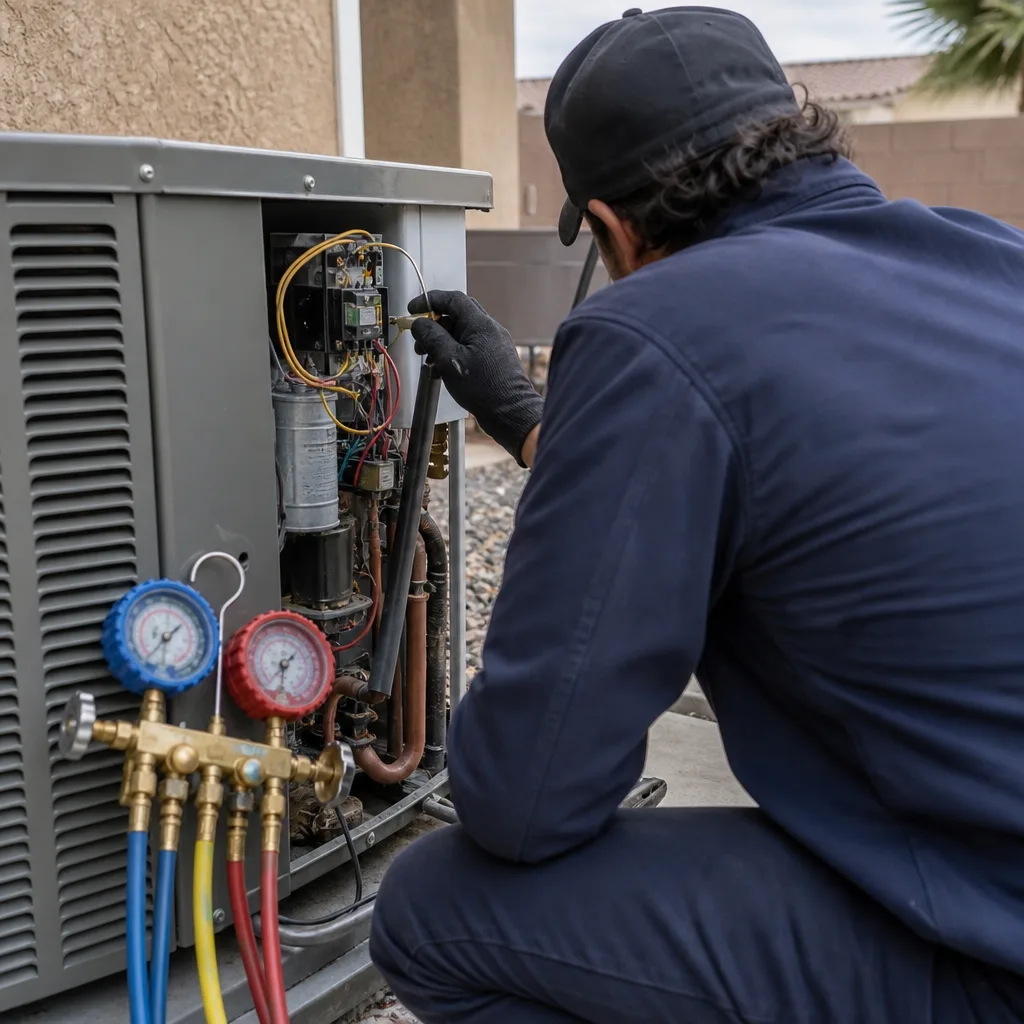
- You cannot legally add refrigerant to your own system, even with a manifold gauge set you bought online.
- You cannot legally cut the refrigerant lines on a system you’re replacing, even if you’re hauling the old unit to the dump yourself. The refrigerant must be recovered first by a certified technician.
- You cannot legally “top off” a system that’s low, because a low system has a leak, and leaks must be found and repaired before recharging under Nevada and federal rules.
Electrical work on your HVAC system is fuzzier. Nevada allows homeowners to perform electrical work on their own primary residence without an electrical contractor’s license, but the work must still meet code, and if it fails inspection or causes a fire, your homeowner’s insurance policy may not cover the damage. A capacitor replacement wired incorrectly can start a fire inside the condenser, and that claim lands in a gray zone most insurers are happy to exploit.
The practical takeaway: the four safe tasks above are all outside the refrigerant loop and the high-voltage path. That’s not a coincidence. Those boundaries exist because crossing them changes the legal and financial stakes dramatically.
The Warranty Trap: How a $40 DIY Fix Can Cost Thousands Later
Here’s a scenario we’ve seen enough times to know it’s common. A homeowner in Summerlin has a Carrier system that’s six years into a ten-year parts warranty. The blower capacitor fails. They find a YouTube video, order a $40 capacitor from Amazon, swap it out, and the system runs again. Problem solved, seemingly.
Eight months later the compressor fails. It’s covered under that ten-year parts warranty, so the repair should cost labor only. Except the manufacturer asks for documented service records as part of the warranty claim, which standard procedure requires. There are none, because the previous repair was DIY. The manufacturer voids the compressor claim, and the homeowner is now looking at $2,000 to $4,000 out of pocket for something that should have been covered.
This is not a hypothetical done for dramatic effect. Equipment manufacturers including Carrier, Daikin, Bryant, and American Standard all state in their warranty terms that improper or unauthorized service can void coverage. Most require professional installation and professional service records to keep the parts warranty valid. A single undocumented DIY repair, especially one involving an electrical component, gives the warranty reviewer a defensible reason to deny a claim.
What does “documented professional service” mean in practice? It means:
- Installation by a licensed contractor, with the model and serial numbers registered at installation.
- Annual professional maintenance with records showing what was checked and what was found.
- Repairs performed by a licensed contractor with invoices documenting parts replaced and work performed.
If you’re running a system that’s still inside its warranty window, which any system under ten years old likely is, the financial math of DIY changes. A capacitor or contactor swap that saves you $200 today could invalidate a multi-thousand-dollar warranty claim next year. Before you decide to DIY anything beyond the four safe tasks, check your equipment’s warranty terms. You may find that the document you never read makes the decision for you.
DIY Cost vs Professional Cost: A Real Numbers Comparison
Most DIY-vs-pro articles talk about costs in vague terms. Let’s put real Las Vegas numbers on the table for the most common repair homeowners attempt: a capacitor replacement.
DIY Capacitor Replacement: The Real Numbers
- Capacitor (single): $15-$45 on Amazon or at a local supply house if they’ll sell to you
- Multimeter to diagnose: $25-$80 if you don’t already own one
- Screwdriver set and needle-nose pliers: $15-$40 if not already owned
- Time: 1-3 hours including diagnosis, video research, and the work itself
- Sweat equity: high, especially if you’re doing this in a garage that’s already 95°F
- Risk of misdiagnosis: moderate. A bad capacitor and a bad blower motor share symptoms. Buy the wrong part and you’ve added a trip to the store.
- Risk of injury: moderate. Capacitors store charge even with power off, and touching a charged capacitor delivers a shock that can be painful and, in rare cases, dangerous.
- Warranty impact: potentially significant, as covered above
Professional Flat-Rate Capacitor Replacement: The Real Numbers
- Parts: $15-$45, because HVAC companies buy these in bulk
- Labor and service call: $180-$350, which includes diagnosis, replacement, testing, and a second component check while the tech is on site
- Written price before work starts: standard practice at reputable shops
- Time before cooling is restored: typically 2-4 hours from your call, without you doing any of the work
- Written guarantee on the repair: standard practice, and if it fails within the coverage window, the return visit is free
- Warranty impact: preserved, because the repair is documented and performed by a licensed contractor
The honest math is that professional service costs about $150-$300 more than doing it yourself on this particular repair. What you’re paying for is not just the labor. You’re paying for the correct diagnosis (a professional checks whether the capacitor is actually the problem, or whether the capacitor failed because the motor is going bad), the warranty protection, the written guarantee, and the guarantee that your system is running before the house gets dangerous.
That last item is where the Las Vegas context changes the calculation. In a mild climate, a $200 savings is a reasonable trade for a Saturday lost to a youtube-assisted repair. In Las Vegas in August, the same trade can mean your kids sleeping in a 95°F bedroom while you wait for a part you forgot to order. The heat risk window isn’t a separate cost line; it’s the multiplier that changes how much risk those savings are buying.
How to Think About Repair vs Replace in a Desert Climate
Las Vegas AC systems run harder than equipment in almost any other U.S. market. Seven months of near-continuous cooling, summer temperatures that push condensers past their design spec, and relentless dust that fouls coils and compressors mean the practical service life of a residential unit here is shorter than the national average. Most systems in this market last 10-14 years, where the same equipment might run 15-18 years in milder regions.
This matters because it changes the repair-vs-replace math. Here’s the rule of thumb used by most experienced Las Vegas HVAC professionals:
- If your system is under 8 years old and the repair costs less than 30% of a replacement system, repair it.
- If your system is 8-12 years old and the repair costs more than 20-30% of a replacement, start planning for replacement, even if you make the repair now as a bridge.
- If your system is over 12 years old and the compressor fails, replace the system. The repair will not meaningfully extend the life of equipment that’s already past its expected service life in this climate.
- If your system still uses R-22 refrigerant, replace it. R-22 production ended in 2020, and the remaining supply in Las Vegas is expensive, with no long-term guarantee of availability.
Replacement costs in the Las Vegas valley currently run from $7,000 to $15,000 for a full system depending on size, efficiency, brand, and installation complexity. New minimum efficiency standards that took effect in 2023 mean replacement systems are inherently more efficient than older equipment, which offsets some cost through reduced power bills.
If you’re shopping for a replacement, AC Installation in Las Vegas is a longer-term decision than repair, and one where getting multiple written quotes matters more than speed. Any replacement quote should include a load calculation for your square footage, not just a ton-for-ton swap from the old unit labeled on the existing equipment.
Tools and Parts Availability in Las Vegas
If you do decide to DIY a borderline repair, know what you’re up against for sourcing. The major national retailers in the valley, Home Depot and Lowe’s, carry basics: filters, thermostats, drain line cleaner, coil cleaner, and some universal capacitors. What they don’t carry is most manufacturer-specific parts. For a Bryant circuit board, a Carrier inducer motor, or an American Standard contactor, you’re looking at online ordering with 3-7 day shipping, or trying to talk a local supply house into selling to you.
Here’s what most Las Vegas homeowners discover quickly: the HVAC supply houses that carry real parts, like Johnstone Supply or United Refrigeration locations in the valley, generally sell to licensed contractors only. They’ll ask for your license number at the counter. Some will sell capacitors and contactors to walk-in homeowners; many will not. There’s no legal requirement preventing them from selling to homeowners, but store policy at most locations protects their contractor relationships.
The implications for your DIY timeline:
- If you can complete the repair with parts from Home Depot or Lowe’s, you can finish same-day.
- If you need a manufacturer-specific part, you’re waiting on shipping unless you know a licensed tech who will source it for you, which effectively means you’re hiring a professional with extra steps.
- If you’re mid-repair and discover you need a part you didn’t plan for, the heat risk window becomes the clock you’re racing.
This is another place where Las Vegas reality differs from generic advice. In most cities, a failed DIY attempt means a few uncomfortable days. Here, from June through September, it means a hot home and a family that’s getting increasingly unhappy with you.
Common Mistakes to Avoid
- Killing the wrong breaker. The air handler and the condenser often sit on separate breakers. Assuming one kill covers both is the most common cause of electrical shock in DIY HVAC attempts. Always verify power is dead at the unit with a non-contact voltage tester before touching wiring.
- Replacing the capacitor without checking the contactor. A burnt contactor and a failed capacitor frequently fail together. If you replace the cap and the contactor is welded shut, the new cap won’t fix the problem and you’ll wonder why your 40 bucks didn’t do anything.
- Charging refrigerant without finding the leak. You can’t legally do it anyway, but the people who try usually discover their system is low again within weeks. Low refrigerant means a leak exists. Adding gas without repairing the leak is like putting air in a tire with a nail in it.
- Ignoring the float switch trip. A clogged drain line that trips the float switch is telling you something. Repeatedly clearing the switch without fixing the underlying clog just moves the problem around. In Las Vegas humidity swings, a repeated trip usually means a block deep in the line, not a surface clog.
- Buying parts before diagnosing. The universal capacitor you buy because a forum told you that’s “always the problem” becomes an Amazon return if the actual problem is a failed fan motor. Diagnose first, buy second.
- Working on a hot roof or hot side yard at 2 p.m. Las Vegas outdoor surfaces regularly hit 150°F in summer. DIY condenser work in direct sun at peak heat is a heat injury waiting to happen, even for healthy adults. If it must be DIY, do it before 10 a.m. and keep water nearby.
- Not checking the warranty before opening panels. Every system has a warranty card or a serial number you can look up. If that system is under warranty, a DIY repair inside the unit is the most expensive possible place to save money.
When to Call a Professional
Call a pro when the system is blowing warm air and you don’t know why. Call when you hear grinding, screeching, or buzzing that wasn’t there before. Call when the breaker trips and stays tripped. Call when you see ice on the indoor coil or the outdoor line set. Call when the thermostat shows a temperature that doesn’t match the room, when the system short-cycles, when the condensate pan is overflowing, and when your power bill spikes 50% without a matching rate increase. And call immediately, before the heat builds, when the forecast says 100°F or higher and your system is down. You know the stakes. You know the math. You know what the heat risk window means for your household. Halden Heating and Air Las Vegas home services are available by phone at (725) 220-3488, and we provide free estimates on repair and replacement work throughout the Las Vegas valley.
Frequently Asked Questions
You do not need a license for basic maintenance tasks like filter replacement, thermostat swaps, drain line flushing, or condenser cleaning, though HVAC Permits, Codes & Inspections in NV: What You Need to Know explains where the legal lines are drawn. You do need EPA 608 certification to handle refrigerant in any capacity, including adding, removing, or recovering it. Electrical work on your own home is technically allowed without a contractor’s license in Nevada, but it must meet code, and doing it wrong can void your insurance coverage and your equipment warranty. When in doubt, hire a licensed professional.
Most AC repairs in Las Vegas run between $150 and $500 depending on the part. Minor fixes like capacitors and contactors typically land on the lower end, while circuit boards, blower motors, and compressors push toward and past the upper end. A reputable company will give you a written price before work starts, so you know the total before you approve anything. At Halden Heating and Air Las Vegas, every job includes a written price before work begins, a written guarantee on the repair, and a free return visit if the repair fails during the coverage window. Call (725) 220-3488 for an exact quote, estimates are free.
Some things, yes. Filter changes, thermostat replacements, drain line flushes, and condenser cleaning are all within reach for a homeowner who can safely kill power and follow basic steps. But the “handy” threshold in Las Vegas is different because the cost of failure is so much higher in July. Before starting any repair beyond those four safe tasks, check the weather, check your warranty, and realistically assess whether a failed attempt could put your household at heat risk. If it could, call a professional before you start rather than after the house is already hot.
If a manufacturer determines that a DIY repair caused or contributed to a subsequent failure, they can deny the warranty claim on that component. In some cases, the entire system warranty is voided. This matters most for systems under ten years old, which is the typical parts warranty period for major brands like Carrier, Daikin, Bryant, and American Standard. Professional repairs create a documented service history that protects your warranty coverage. A $50 DIY fix that voids a $3,000 compressor claim is a net loss of $2,950.
Most common AC repairs take between one and three hours once a technician is on site. The bigger variable in Las Vegas is response time during peak cooling season, when every company in the valley is at capacity. That’s another argument for calling before the system fails completely, or at least calling as soon as it stops cooling rather than waiting to see if it magically fixes itself. Most companies can offer faster service for systems that are still partially working than for complete failures during a heat wave.
Yes, and critically so. Furnaces involve natural gas and carbon monoxide, which makes DIY repairs significantly more dangerous than AC work. A botched furnace repair can leak gas into your home or vent combustion products improperly, which is a life-safety issue that no DIY savings is worth. Furnace Repair in Las Vegas should always go through a licensed professional, full stop. The four DIY-safe tasks listed in this guide apply to the cooling side only.
The Bottom Line
HVAC work is not a single category where “DIY” and “professional” compete for the same jobs. It’s a spectrum, and in Las Vegas, the heat risk window moves the line substantially toward professional service for anything beyond routine maintenance. The four safe tasks, filter changes, thermostat swaps, drain flushes, and condenser clearing, are genuinely DIY-appropriate and worth doing yourself. Everything else carries risks in ascending order: misdiagnosis, wasted parts, voided warranties, electrical danger, and federal fines for refrigerant handling. The 70 days of 105°F weather aren’t just a reason to have working AC. They’re the context for every repair decision you make. When the forecast says triple digits, professional service isn’t a luxury. It’s how you keep your family safe and your equipment warrantied. Call Halden at (725) 220-3488 and get a real person, a real answer, and a real price before you make the call on DIY.
Written by Andre Fuller, Owner at Halden Heating and Air Las Vegas, serving Las Vegas since 2004.
See the difference
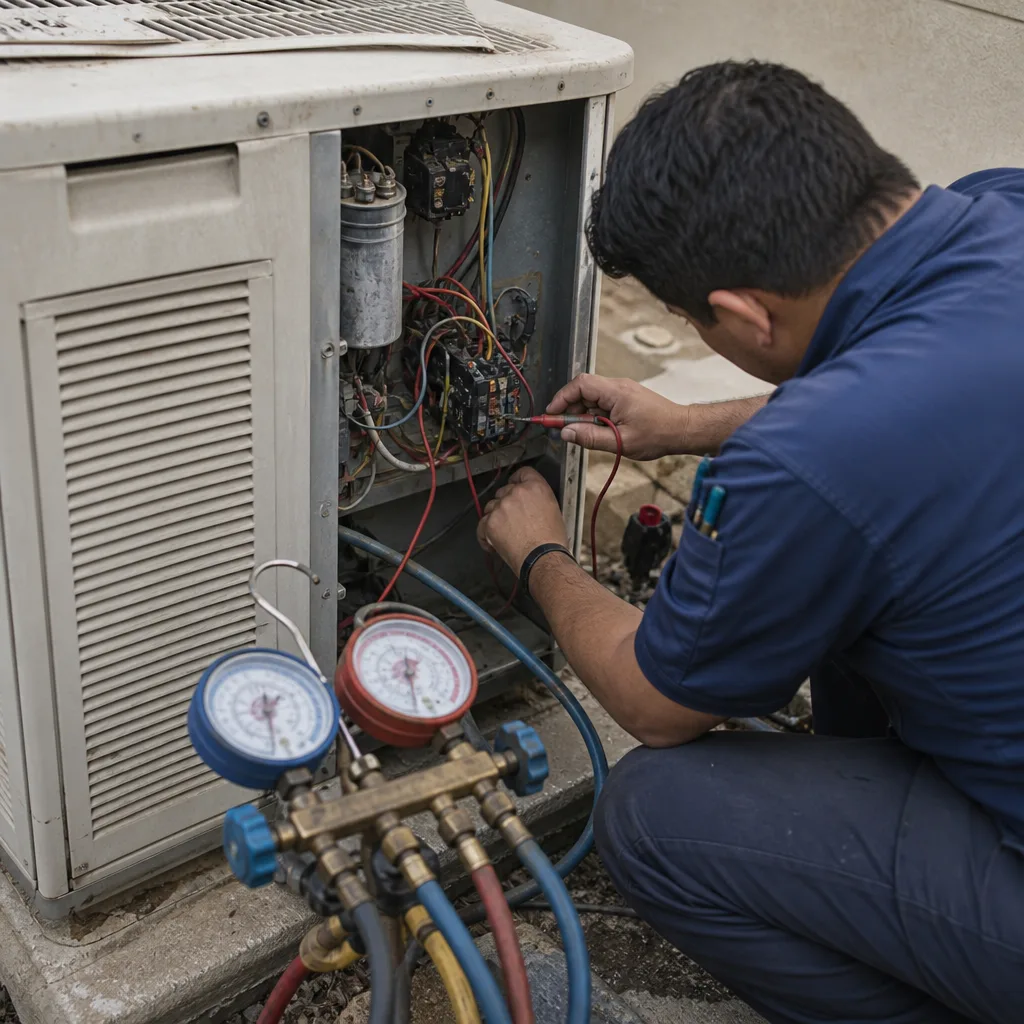 Before
 After
After Before
 After
After Before
 After
After