
Last updated October 16, 2026
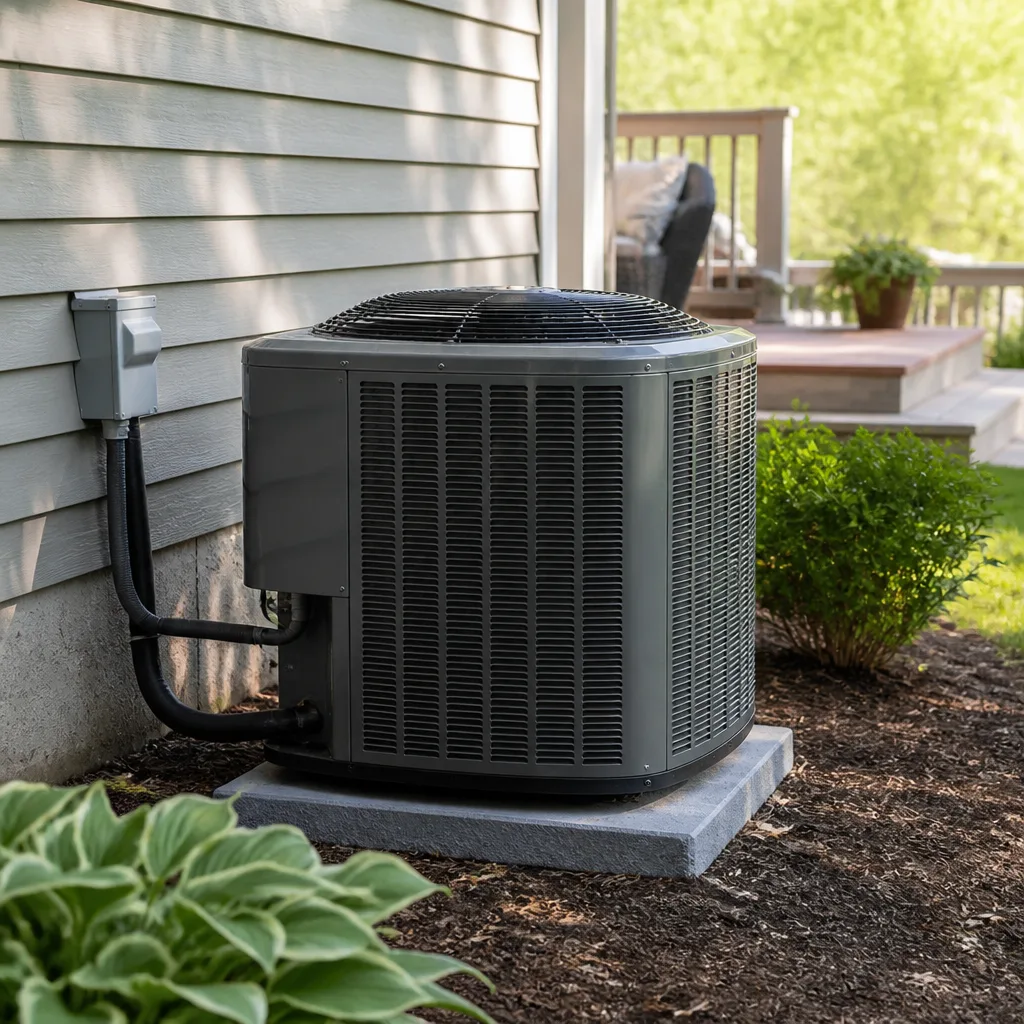 AC repair
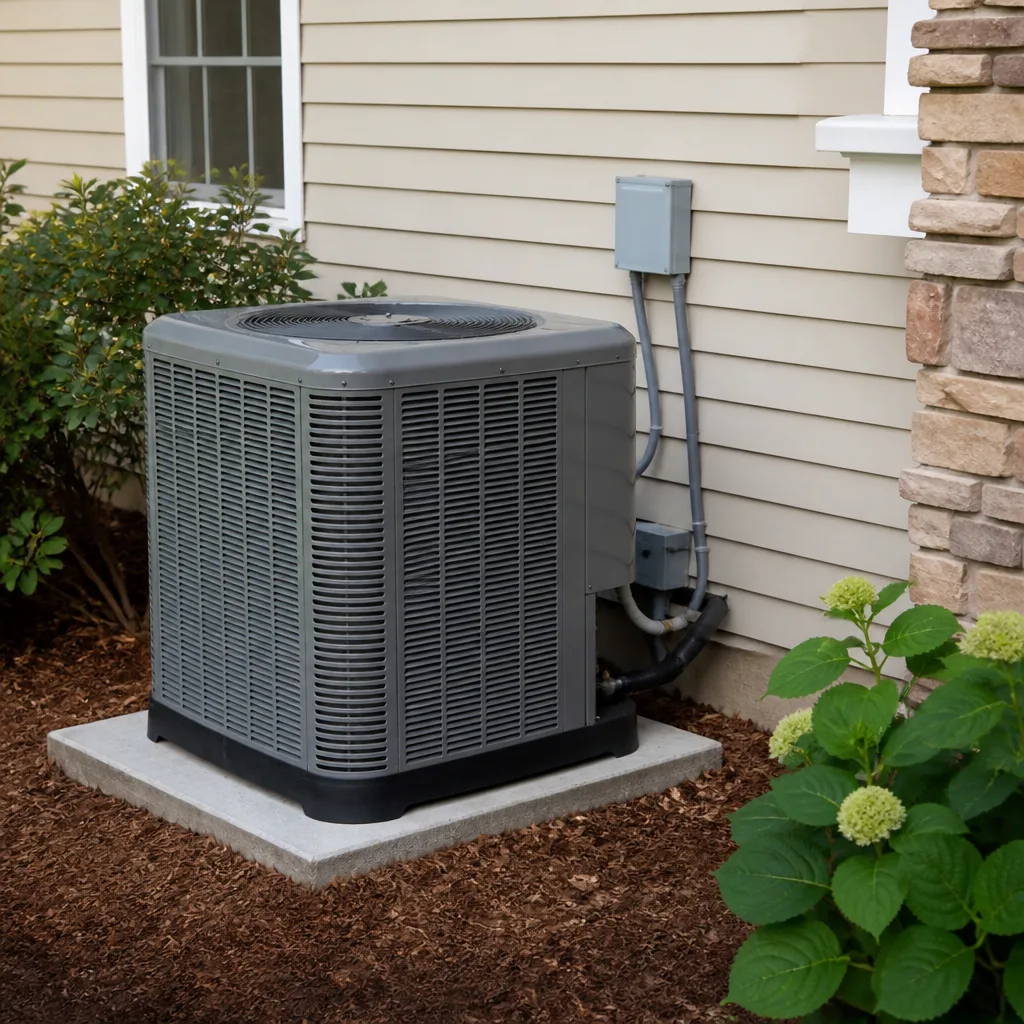 Furnace & heating
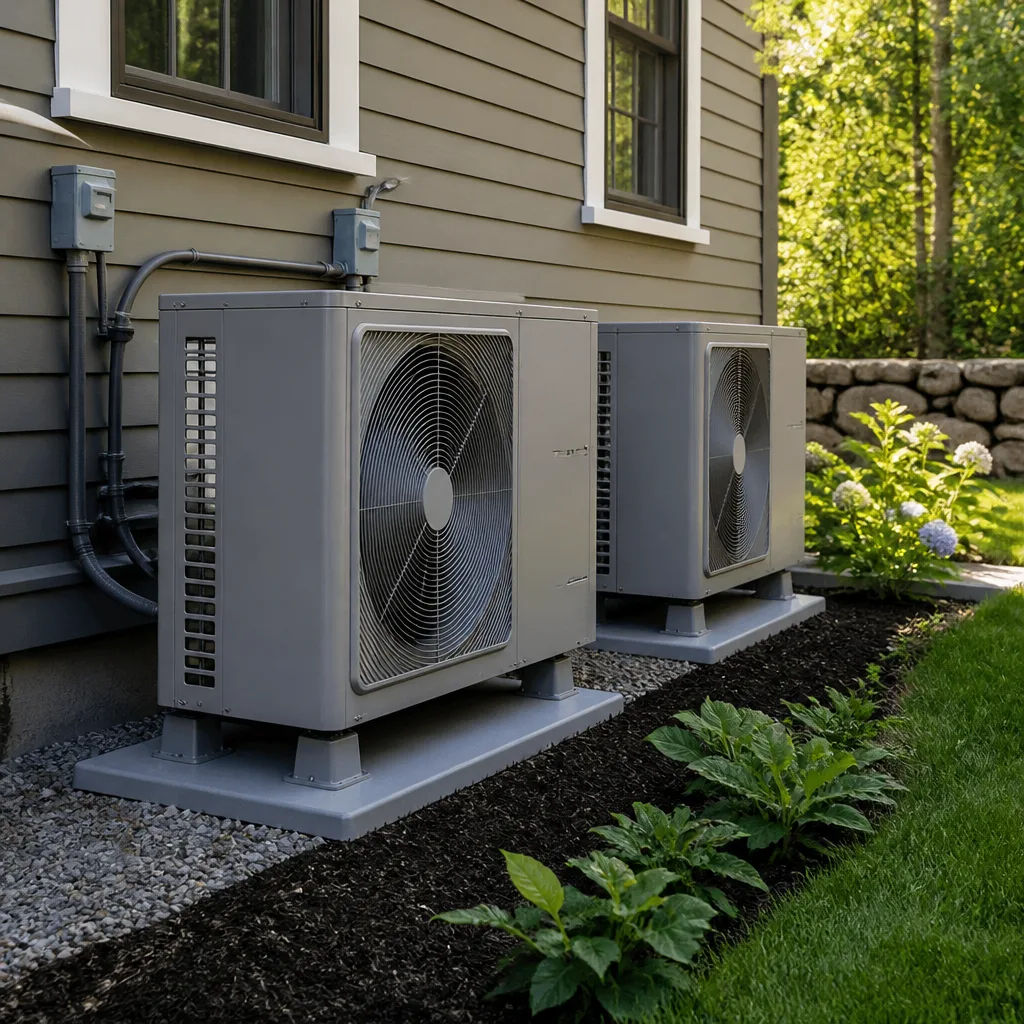 Heat pumps
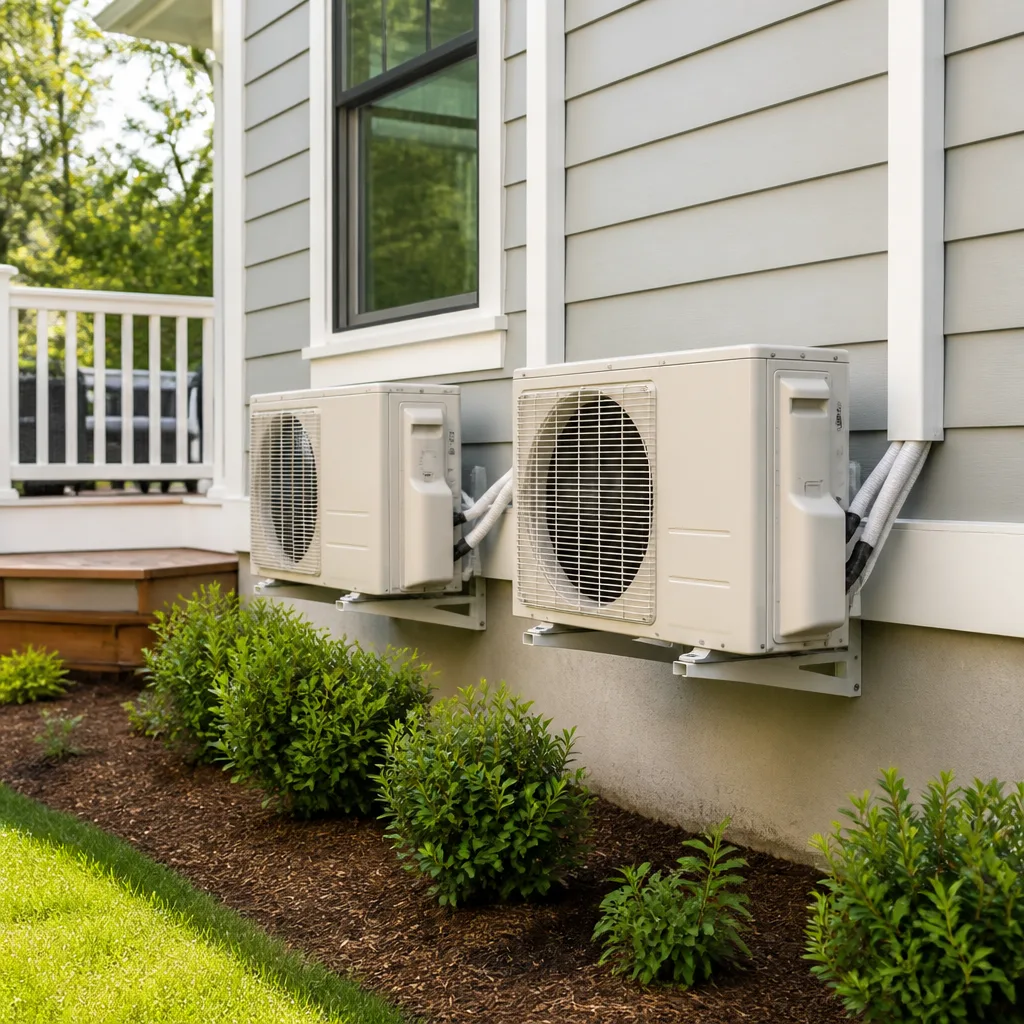 Ductless mini splits
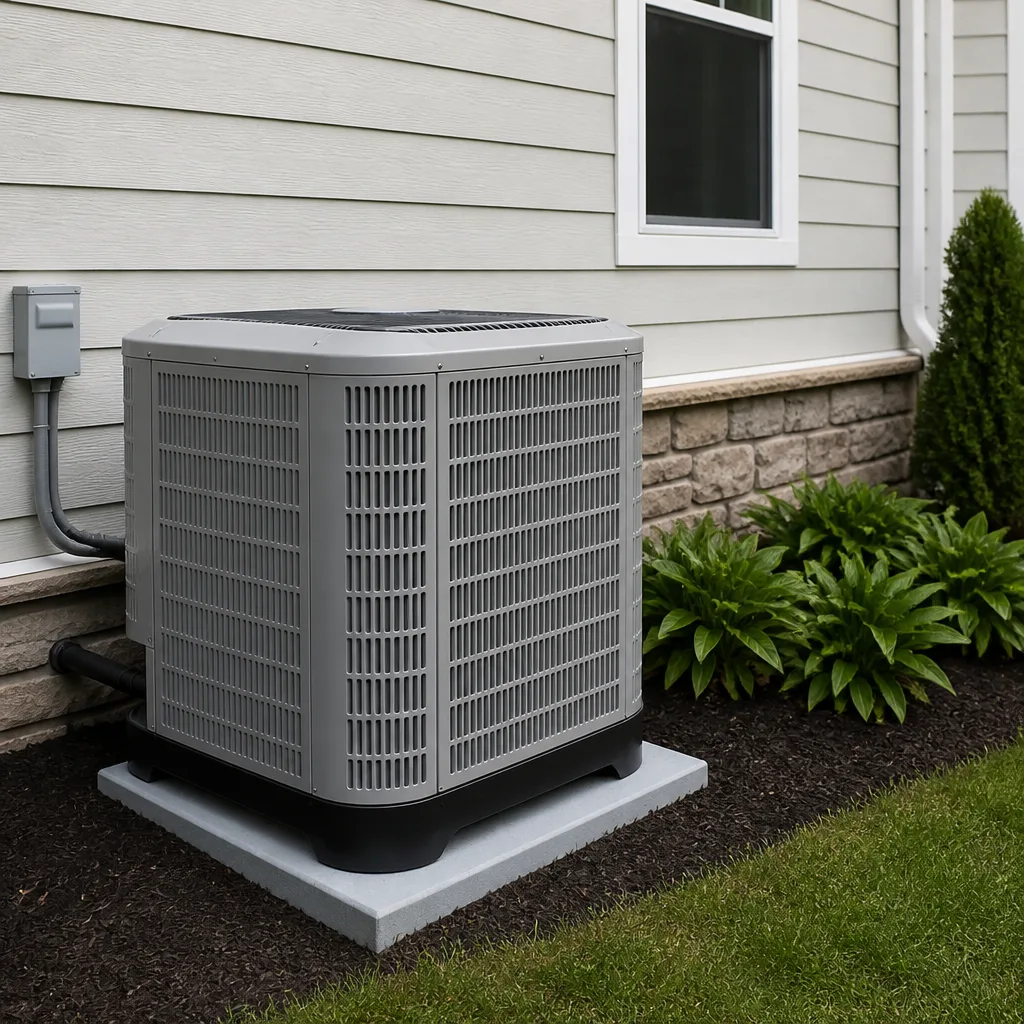 Carrier
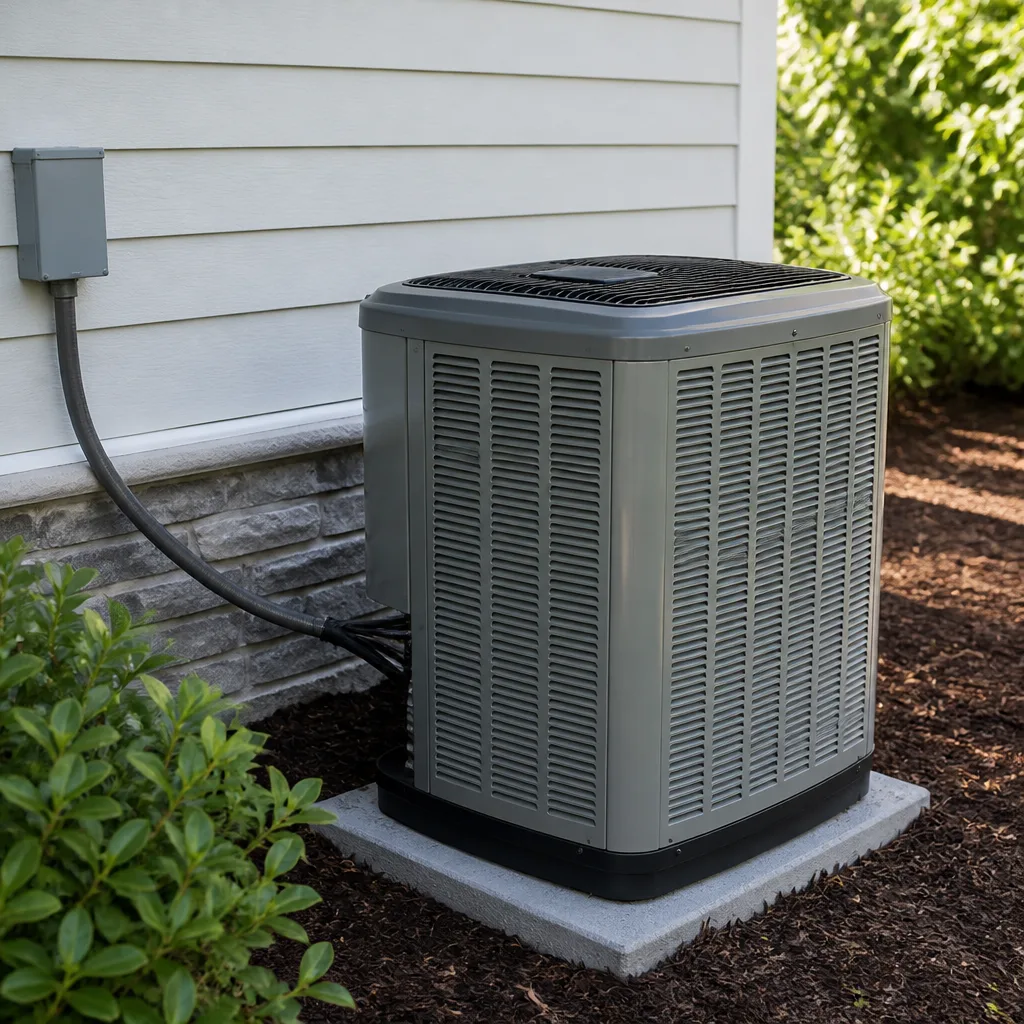 Trane
Trane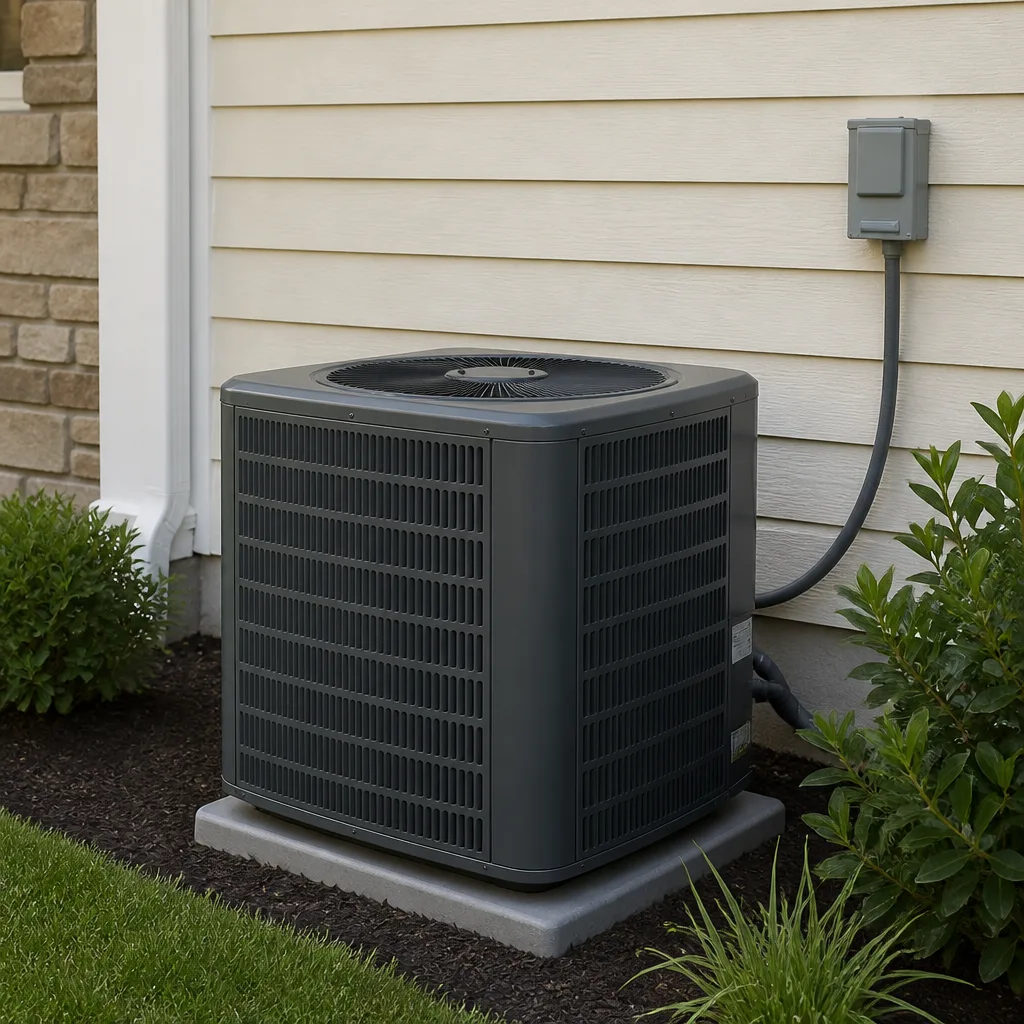 Goodman
Seasonal tune-up and full diagnostic on your Carrier, Trane, or Goodman system - readings shown to you before any repair is proposed
Diagnosis first, numbers second - you approve the repair price before a single part goes in.
Get your free estimateHVAC Permits, Codes & Inspections in NV: What You Need to Know
Here’s the part nobody tells you when you sign a contract for a new air conditioner in Las Vegas: the city can discover the install was unpermitted three years later, and by then the friendly contractor who saved you $400 on permit fees has disconnected his phone. An unpermitted AC replacement in Clark County doesn’t just risk a fine. It can void your homeowner’s insurance coverage for any claim tied to the HVAC system, including fire and water damage. This guide walks through which jobs need a permit, what inspectors actually check, what happens when you fail, and how the 2023 Nevada Energy Code changed the math on replacement units; for more guides & resources, see our blog. No contractor-speak. Just what a homeowner needs to know before spending money.
Quick Answer
In Clark County and most incorporated cities in Nevada, an HVAC permit is required for any new installation, any full system replacement that changes equipment type or location, and any work that modifies ductwork, electrical circuits, or gas lines. Simple like-for-like swaps of a single component (like a capacitor or contactor) typically do not require a permit. The permit exists to create an independent inspection record proving the work meets current safety and energy code. When you skip it, you own the liability.
Styles & brands we work with
Table of Contents
- Which HVAC Jobs Actually Need a Permit in Las Vegas
- The Like-for-Like Replacement Rule: Where Most People Get It Wrong
- What a Mechanical Permit Costs and How Long It Takes
- What a Southern Nevada Mechanical Code Inspection Actually Checks
- Can a Homeowner Pull Their Own HVAC Permit in Nevada?
- What Happens When an Inspection Fails
- The 2023 Nevada Energy Code Update and Your Replacement Unit
- How an Unpermitted HVAC System Affects Insurance and Resale
Which HVAC Jobs Actually Need a Permit in Las Vegas
The short version: if the work touches the structure, the electrical system, the gas supply, or changes how the unit is mounted and ventilated, assume a permit is required. Clark County’s mechanical code governs unincorporated areas, and the City of Las Vegas, Henderson, and North Las Vegas each adopt their own versions of the International Mechanical Code with local amendments. The permit categories break down like this.
New HVAC installations always require a permit. If you are adding air conditioning to a home that never had it, installing a furnace in a new addition, or building a secondary system for a garage conversion, the plan review process applies. A mechanical permit is issued only after the equipment sizing, duct design, and electrical load are checked against current code.
Full system replacements require a permit when the replacement changes any of the following: the equipment location, the equipment type (gas furnace to heat pump, for example), the tonnage or BTU capacity, the electrical service requirements, or the refrigerant type. A replacement from an R-22 system to an R-410A or R-454B system is a permitted job because the line set must be verified for the new refrigerant’s operating pressures.
Ductwork modifications require a permit if more than a small section is being replaced or if the duct design changes. Adding a new supply run, resizing a return, or converting a closet into conditioned space all count.
Electrical and gas line work tied to HVAC falls under the same permit. A new disconnect, a circuit upgrade, or moving a gas valve all trigger permit review. In Las Vegas, gas work may also require a separate inspection from the gas utility or a licensed plumber with gas certification.
What does not require a permit: replacing a capacitor, contactor, thermostat, blower motor, condenser fan motor, or circuit board in the same location. Changing the filter, cleaning coils, and recharging refrigerant as part of a repair are also permit-exempt. The line is whether the equipment’s fundamental installation parameters changed. A repair restores existing equipment. A replacement changes what the home is permitted to have. That difference matters to insurers and title companies.
The Like-for-Like Replacement Rule: Where Most People Get It Wrong
Most homeowners assume that swapping one outdoor condenser for another of the same size is “like-for-like” and therefore needs no permit. In some jurisdictions that is technically true. In Clark County, however, “like-for-like” only applies to component-level replacements, not full outdoor unit swaps. Once you replace the condenser and the evaporator coil together, you have changed the system’s refrigerant charge, its efficiency rating, and its compliance status with current energy code.
The practical test we tell Las Vegas homeowners, as detailed in our HVAC Warning Signs: A Las Vegas Homeowner’s Reference Guide: if the work produces a new equipment serial number that will be registered for a manufacturer warranty, you need a permit. If the work only replaces a part inside existing equipment, you generally do not.
There is also a second misunderstanding around furnace swaps. Replacing an 80% AFUE furnace with another 80% AFUE furnace in the same closet with the same venting is often treated as a simple swap. But in Las Vegas, the majority of existing furnaces installed before 2015 are 80% efficiency units using metal venting. New minimum-efficiency standards and the 2023 energy code have changed what can legally go back in. If your contractor suggests “we’ll just slide the old one out and slide a new one in with no permit,” the new unit may not meet current code. And when that mismatch is discovered during a sales inspection, the buyer’s inspector will flag it. The seller is then stuck fixing unpermitted work years after the fact.
Here is the sequence we recommend in Las Vegas specifically because of the summer resale cycle, and you can read more in our Seasonal HVAC Care for Las Vegas: Year-Round Homeowner’s Guide: before you buy a house, ask the seller for the permit history on the HVAC system. Before you sell your house, do the same thing yourself. The Clark County building department has an online permit search. Five minutes of checking beats a $3,000 pre-sale correction.
What a Mechanical Permit Costs and How Long It Takes
In Clark County, a residential mechanical permit for an HVAC system replacement typically runs between $120 and $350 depending on the scope of work and the valuation of the job. The City of Las Vegas mechanical permit fees fall in the same range. Some jurisdictions calculate fees as a percentage of job valuation, which is why a full system changeout with ductwork will cost more than a single furnace swap. Here is a realistic breakdown for an average 1,800-square-foot Las Vegas home:
- Mechanical permit fee: $120 to $180 for a standard full system replacement
- Plan review fee: $50 to $120 if the scope requires plan check (new installations, duct redesigns, equipment location changes)
- Inspection fee: Included with the permit in most cases; re-inspection fees run $75 to $110
- Electrical sub-permit: $40 to $80 if a new circuit or disconnect is required
- Gas line inspection: $40 to $60 if a furnace or gas line is involved
Total out-of-pocket for permits on a full system replacement: usually between $200 and $350. On a $9,000-to-$14,000 system, that is roughly 2% to 3% of the job cost. What the permit buys is far more valuable: an independent third-party inspection confirming the install meets code, a permanent record your insurance company can access, and a clean disclosure when you sell the house.
Timeline: plan review typically takes 3 to 5 business days for residential mechanical permits in Clark County. The rough inspection is scheduled within 1 to 3 business days after the contractor completes the install. In peak summer months, inspection windows can stretch to 5 business days. A reputable contractor factors this into the job timeline and does not promise “permit-to-final-inspection in 48 hours.” Any contractor who wants to skip the permit to “save you a week” is trading a week of cooling delay for a permanent liability on your deed.
One note: Halden Heating and Air Las Vegas handles the permit application, the scheduling, and the inspection coordination on every job where a permit is required. You do not stand in line at the building department. You get a phone update when the permit is issued and again when the inspection passes, same as you get live arrival tracking for the technician.
What a Southern Nevada Mechanical Code Inspection Actually Checks
A mechanical inspection in Clark County is not a formality. The inspector has a checklist of code sections and they will physically verify each item. Here is what they actually look at on a typical AC replacement in Las Vegas, and why each one matters in this specific climate. You may also want to review our AC Repair Maintenance Checklist for Las Vegas Homeowners.
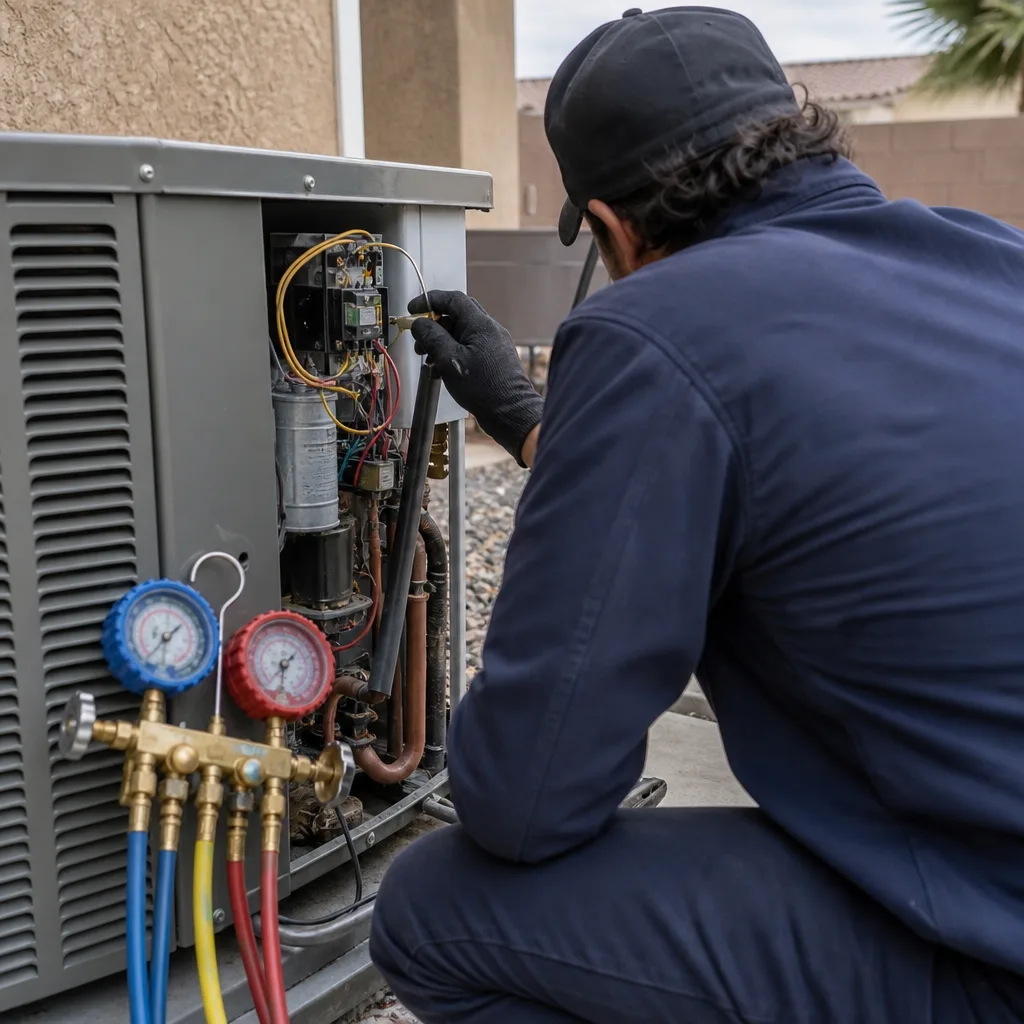
Refrigerant line sizing and insulation. The inspector verifies that the copper line set between the indoor coil and outdoor condenser is the correct diameter for the new system’s capacity and refrigerant type. R-454B systems generate higher operating pressures than R-410A, so line sizing is not interchangeable. The suction line insulation must be continuous and UV-protected because Las Vegas sun destroys exposed foam insulation within two summers.
Electrical disconnect placement. The outdoor disconnect must be within sight of and no closer than 3 feet from the condenser. It must be rated for the circuit amperage and mounted at the correct height. Inspectors in Las Vegas frequently flag disconnects mounted on the wrong side of the unit or replaced with an undersized pull-out. A disconnect that is hard to reach in an emergency is a safety failure.
Drain pan slope and overflow protection. The evaporator coil’s primary and secondary drain lines must slope at a minimum of 1/8 inch per foot. The secondary drain must run to a visible location (typically over a window or the garage floor) so a clog is noticed. In Las Vegas’s hard-water environment, drain pans get mineral buildup faster than in most markets, and inspectors check for a properly installed float switch that shuts the system off if the primary drain clogs.
Clearance compliance. The outdoor unit needs 12 inches of clearance on the service panel side and a minimum of 24 inches on the fan side. If a unit is squeezed against a wall or buried under a hedge, airflow suffers and the compressor runs hotter. Overheated compressors fail faster in 110-degree Las Vegas summers. The inspector enforces the same clearance the manufacturer requires for warranty coverage.
Combustion air and venting (furnaces). For gas furnaces, the inspector checks that the vent pipe has proper slope, that the termination point meets clearance requirements from windows and doors, and that the closet or mechanical room has adequate combustion air. Southern Nevada’s dry climate means many furnaces are installed in small interior closets. A furnace that cannot breathe properly produces carbon monoxide. This is not a paperwork issue. It is a life-safety issue.
Equipment labeling and data plate verification. The inspector matches the installed equipment to the permit application. The data plate’s voltage, refrigerant type, and BTU rating must match what was approved. This catches contractors who pull a permit for one unit and install a cheaper one.
None of these checks are unreasonable. In our experience, most failed inspections come down to sloppy details: a drain line that sags, a disconnect mounted at the wrong height, a missing insulation seam. A contractor who takes the inspection seriously passes on the first visit. One who treats it as a hassle will fail repeatedly and bill you for the re-inspection.
Can a Homeowner Pull Their Own HVAC Permit in Nevada?
Yes. Nevada law allows a homeowner to pull a mechanical permit for work on their own primary residence, provided they occupy the home and do not intend to sell it immediately. The permit application requires the homeowner to sign an affidavit stating they are doing the work themselves and will comply with current code. There are no shortcuts in the code requirements based on who pulls the permit.
So why do almost no homeowners actually do this? Because the practical requirements exceed most people’s capabilities and time. To pass a Clark County mechanical inspection on a system replacement, the installer must demonstrate proper refrigerant recovery of the old system, pressure testing of the new line set, deep vacuum evacuation, charge verification using superheat and subcooling measurements, and correct brazing technique. That requires EPA Section 608 certification for refrigerant handling, a vacuum pump, a recovery machine, manifold gauges, and a micron gauge. The equipment alone costs more than hiring a licensed contractor for the install.
There is a second, less obvious reason to let a licensed contractor pull the permit: legal liability. When a licensed Nevada contractor signs a mechanical permit, they are certifying that the work complies with the Southern Nevada amendments to the International Mechanical Code. If the work later fails an inspection, the contractor is responsible for corrections. If a homeowner pulls the permit and the work fails, the homeowner is the contractor. The re-inspection fee, the re-work, and the liability all belong to the person standing in the living room.
The right arrangement is a contractor who pulls the permit, is listed as the responsible party, schedules the inspection, and stands behind the pass. A homeowner pulling their own permit to save $200 is like doing their own dental work to save the copay. The savings are real until the complication shows up.
What Happens When an Inspection Fails
A failed mechanical inspection in Clark County follows a specific sequence. The inspector writes a correction notice listing every code violation. The permit-holder (whoever signed the permit application) is responsible for correcting the items and scheduling a re-inspection. The re-inspection fee is billed to the permit-holder. If the contractor pulled the permit and their work failed, the contractor pays the re-inspection fee and does the corrective work at no charge to you. This is exactly the scenario where a written guarantee matters.
If the homeowner pulled the permit and the work fails, the homeowner pays everything: the re-inspection fee, the labor to fix the violations, and any parts that need to be redone. That is the unglamorous truth behind the “save money by pulling your own permit” advice floating around social media.
The most common re-work we see from failed inspections in Las Vegas ranges from minor to significant. Here are the typical corrections required, in order of frequency:
- Drain line slope correction: re-pitching the condensate drain to meet the 1/8-inch-per-foot minimum. Time: 1 to 2 hours.
- Disconnect replacement or relocation: moving or upsizing the electrical disconnect to meet clearances and ampacity. Time: 1 to 3 hours, plus a possible electrical sub-inspection.
- Refrigerant line insulation repair: replacing missing or damaged suction line insulation. Time: 1 hour, plus materials.
- Clearance violations: moving the condenser to meet the 12-inch-minimum service clearance or 24-inch fan clearance. Time: 2 to 4 hours, possibly including a new pad and line set extension.
- Combustion air or venting corrections (furnaces): re-routing vent pipe or adding combustion air vents. Time: 2 to 5 hours, sometimes requiring drywall work.
A failed inspection delays cooling restoration. In a Las Vegas July, a second inspection is not scheduled the next hour. You are looking at a minimum of one to two additional business days, and if the corrections require parts, three to five. A contractor who skips the permit on the front end to “get you cooling faster” has no incentive to pass an inspection later, because they already got paid. The permit is not the thing that slows the job down. Waiting for parts and inspections because the first attempt failed is what slows the job down.
The 2023 Nevada Energy Code Update and Your Replacement Unit
Nevada updated its energy code effective in 2023, adopting a version of the 2021 IECC with state-specific amendments. For HVAC replacements, the most significant change is the minimum efficiency standard for new equipment installed in Clark County. The federal minimum is now 15 SEER2 for split-system air conditioners in the Southern region, which includes Las Vegas. Before 2023, 14 SEER units were still legally sellable. They are not now.
The practical consequence: if your old system was a 10 or 12 SEER unit from the mid-2000s, the replacement must be at least 15 SEER2. That is not a price-gouging upcharge from your contractor. That is the law. And it applies whether or not a permit is pulled. The permit process is simply the enforcement mechanism that proves compliance.
The 2023 code also strengthened requirements for duct leakage testing on new installations and major duct retrofits, and it tightened the rules on refrigerant charge verification. Contractors are now required to document that the system was charged using the manufacturer’s superheat or subcooling chart, not just “topped off until it felt cold.” A proper charge verification takes 20 minutes with the right gauges and a thermometer. A contractor who skips it produces a system that runs less efficiently and fails faster in Las Vegas heat.
There is also a heat pump angle worth knowing. Nevada’s energy code now includes provisions that push heat pump adoption in new construction, and the federal Inflation Reduction Act opened up tax credits for qualifying heat pump installations. If you are replacing a gas furnace and AC with a cold-climate heat pump in Las Vegas, you may qualify for a federal tax credit up to $2,000 plus potential utility rebates from NV Energy. The efficiency rating requirements for the credit (SEER2 15.2 minimum for split systems) align closely with what the 2023 code already requires, so a compliant install is usually credit-eligible. The cleanest path is to ask your contractor to provide the AHRI reference number for the matched system so you can verify eligibility before the install date. (More on AC Installation in Las Vegas covers how we handle efficiency matching and rebate paperwork.)
How an Unpermitted HVAC System Affects Insurance and Resale
This is the section most guides skip because it is uncomfortable. An unpermitted AC replacement in Clark County is a material fact on a property disclosure form. Nevada law requires sellers to disclose known unpermitted work. If you bought the house with an unpermitted HVAC system and did not know, you inherited the problem. If you installed the system yourself without a permit and later sell without disclosing, you have committed fraud and the buyer can pursue you after closing.
Insurance: if your HVAC system causes a fire due to an electrical fault and the system was replaced without a permit, the insurance adjuster has grounds to deny the claim on the basis that the work was not inspected. The same applies to water damage from a failed condensate drain that floods a ceiling. The insurer does not need to prove the unpermitted work caused the specific failure. They need only establish that uninspected work was present in the loss area.
Here is the sequence that plays out in Las Vegas every year: a homeowner sells a house in 2026. The buyer’s home inspector flags an HVAC system with a 2021 manufacture date and no permit on record with the city. The buyer asks for a credit to correct the issue. The seller calls the original contractor, who is out of business. The seller pays to have the system inspected retroactively, which rarely passes without corrections, and ends up spending more than the original permit would have cost by a factor of ten.
The permit is not a tax. It is an insurance policy you buy at the start of the job instead of paying at the end. In Las Vegas, where 3,000-square-foot homes routinely sell in a 90-day cycle from April to July, a flagged HVAC permit issue can stall a sale for weeks. The buyer’s lender may condition the loan on permit closure. That is pressure no seller wants during escrow.
If you are unsure whether your current system was permitted, check the Clark County permit portal or call the building department. The search takes five minutes. If you need a repair or a full replacement and want a clean permit record, our AC Repair in Las Vegas page explains how we handle permitting on every job.
Common Mistakes to Avoid
- Assuming a full system swap is “like-for-like.” Replacing the condenser and coil together changes the system’s certification and triggers permit requirements. Component repairs do not.
- Paying for a permit that never gets pulled. Some Las Vegas contractors charge a permit fee and pocket it. Ask for the permit number before the install starts and verify it online.
- Letting a contractor talk you out of a permit. The $200 to $350 in permit fees is cheaper than the insurance denial and resale headache. Any contractor who resists is hiding something about their license or their work quality.
- Skipping the duct leakage test on a major duct replacement. The 2023 code requires the test. A contractor who skips it leaves you with a system that fails code verification later.
- Pulling your own permit to save money. The savings are real but the liability is entirely yours. If the inspection fails, you pay for every correction and every re-inspection.
- Not checking the permit history before buying a Las Vegas home. The Clark County permit portal is free. Five minutes of checking beats a $3,000 surprise.
- Replacing an old R-22 system without a refrigerant change. R-22 is phased out. A contractor offering a “cheap drop-in” replacement is not selling you a code-compliant install.
When to Call a Professional
Anytime the work involves refrigerant, electrical connections, gas lines, or ductwork, a licensed Nevada contractor should be the one doing it. The state licenses HVAC contractors specifically because incorrect installation produces results that range from inefficient to lethal. Carbon monoxide from a mis-vented furnace kills people in Las Vegas every winter. Electrocution from an improperly wired disconnect is a real risk. Refrigerant burns are not hypothetical.
If you are replacing a system, the contractor should handle the permit from application to final inspection and hand you a copy of the passed inspection report. That is the standard we hold ourselves to at Halden Heating and Air Las Vegas. Every replacement job we do in Las Vegas includes the permit, the scheduling, and the inspection coordination. You can track the technician to your door, see the written price before work starts, and get a written guarantee on the entire job. Call (725) 220-3488 for a free estimate. We answer the phone with a live person, not a voicemail tree.
Frequently Asked Questions
Yes, if the replacement changes the equipment’s location, type, capacity, refrigerant, or electrical requirements. A component-level repair (capacitor, contactor, fan motor) does not require a permit. Clark County treats full system replacements as permitted work, and the permit creates the inspection record that protects your insurance and resale value.
Most residential mechanical permits for HVAC replacements in Clark County cost between $120 and $350 total, including plan review and inspection fees. The exact amount depends on job valuation and whether electrical or gas sub-permits are required. Compared to the cost of the system, the permit is typically 2% to 3% of the total job.
Yes, Nevada allows a homeowner to pull a mechanical permit for work on their own primary residence. However, the homeowner becomes the responsible party for all code compliance, re-inspection fees, and corrective work. The practical requirements (EPA certification, vacuum pump, recovery machine, gauges) make this a poor way to save $200.
You inherit the liability. The unpermitted work must be disclosed when selling the home, and insurers can deny claims tied to the uninspected system. The fix is to have the system inspected retroactively by the building department or a licensed contractor, correct any deficiencies, and close the permit record. The cost typically exceeds the original permit fee many times over.
Yes. The Southern region minimum for split-system air conditioners is now 15 SEER2, matching the federal standard. Newer units sold in Las Vegas must meet this rating. Systems installed before 2023 may have lower ratings and still operate legally until replaced or modified.
The permit-holder pays for the re-inspection. If a licensed contractor pulled the permit and their work failed, the contractor pays the re-inspection fee and does the corrective work at no charge. If a homeowner pulled the permit, the homeowner pays everything. Re-inspection fees typically run $75 to $110.
Still not sure whether your job needs a permit? Call us at (725) 220-3488. We will tell you straight, and the estimate is free. Halden Heating and Air Las Vegas also offers furnace repair in Las Vegas with the same written-price-before-work standard.
The Bottom Line
Las Vegas homeowners pay for HVAC permits one of two ways: upfront, as a 2% to 3% line item on a properly permitted job, or later, as a resale concession, an insurance denial, or a retroactive inspection bill measured in thousands. The permit process is not bureaucratic drag. It is the only independent verification that your new system was installed to current safety and energy code. In a city where the AC runs 200 days a year and the resale market moves fast, a clean permit record is part of the value of your home. Knowing when you need one, what the inspector checks, and who is responsible when things go wrong is the cheapest insurance you will ever buy. And when the time comes, Halden Heating and Air Las Vegas home is where you will find a contractor that treats the permit as part of the job, not an optional line item to skip.
Written by Andre Fuller, Owner at Halden Heating and Air Las Vegas, serving Las Vegas since 2004.
See the difference
 Before
 After
After Before
 After
After Before
 After
After