
Last updated October 16, 2026
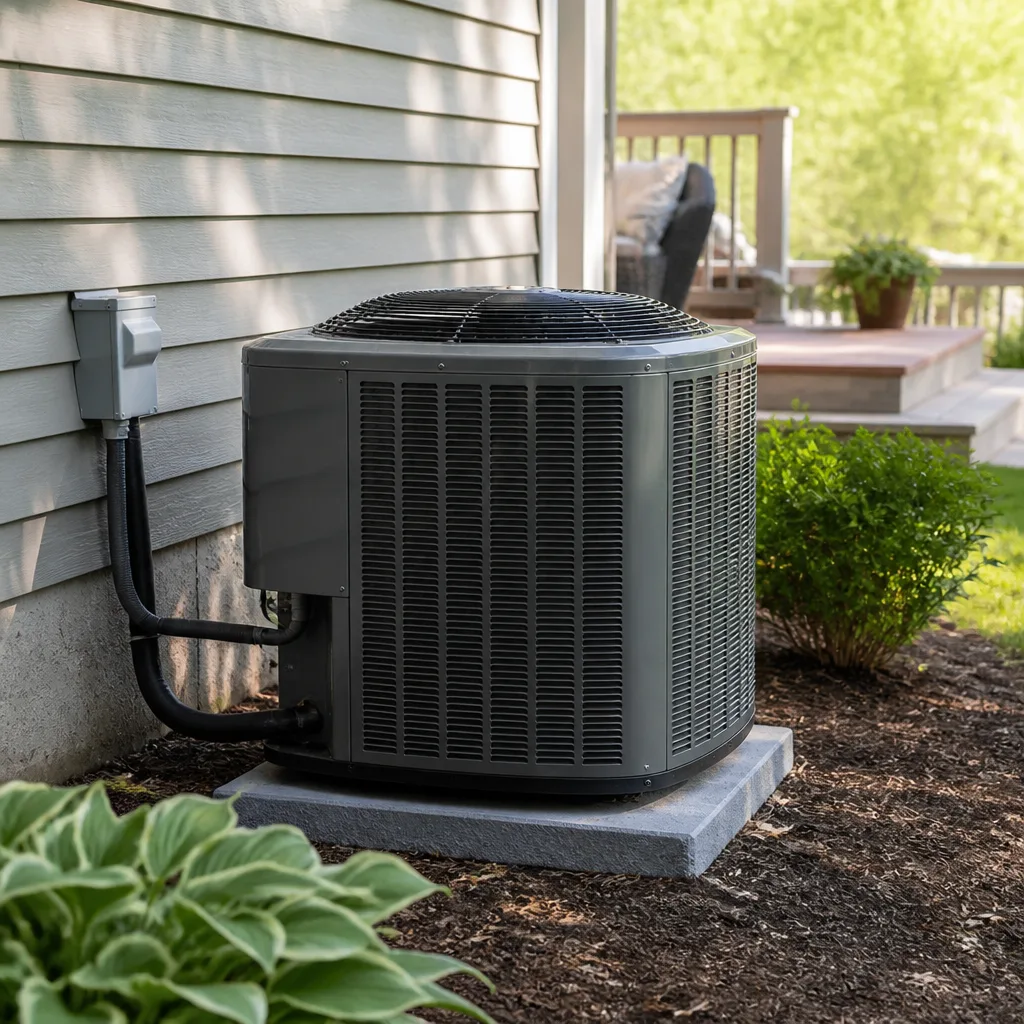 AC repair
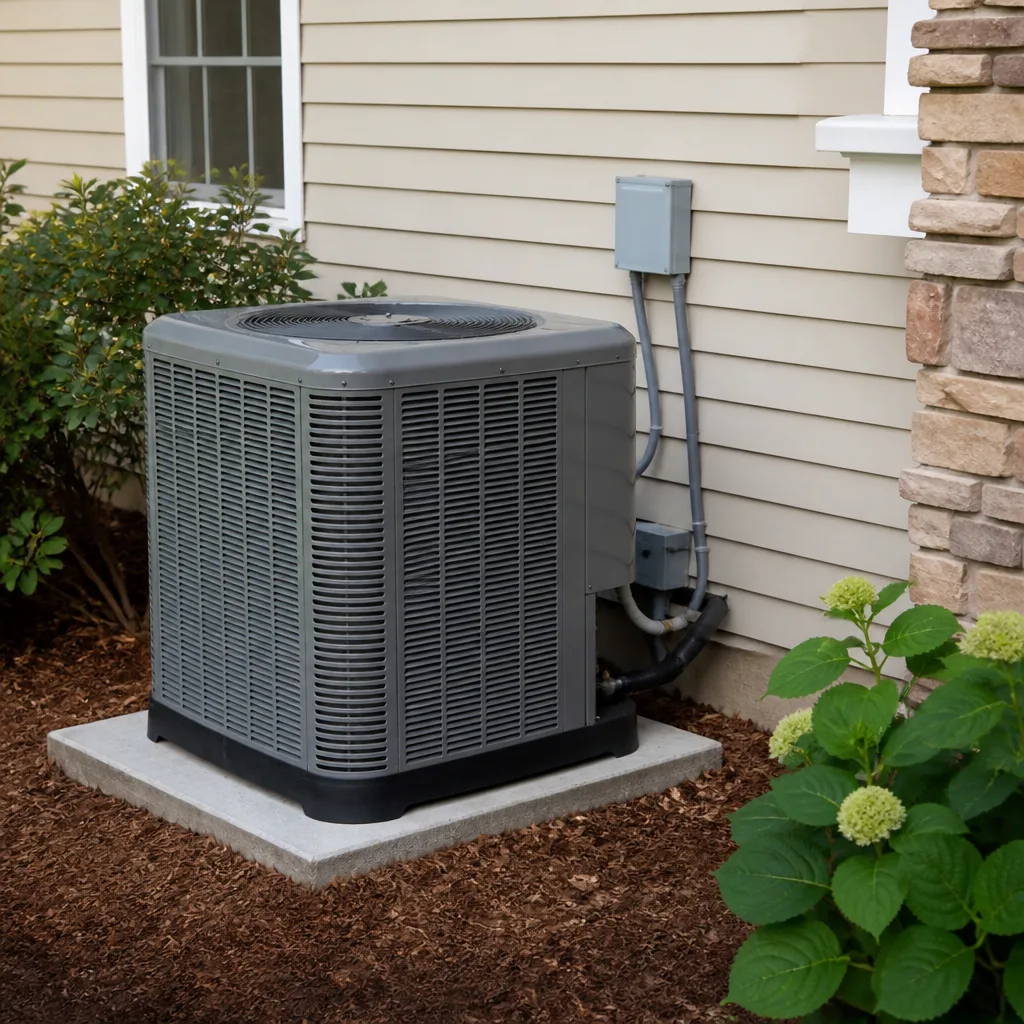 Furnace & heating
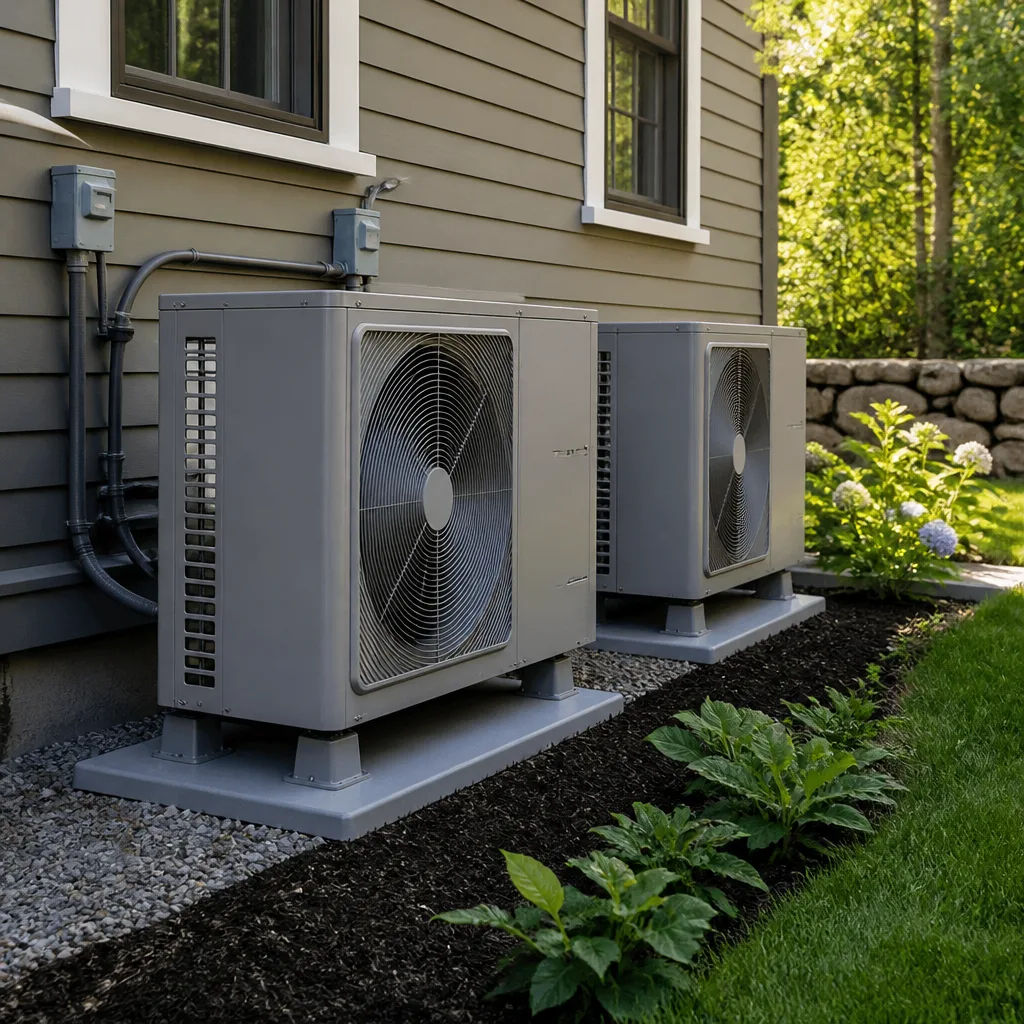 Heat pumps
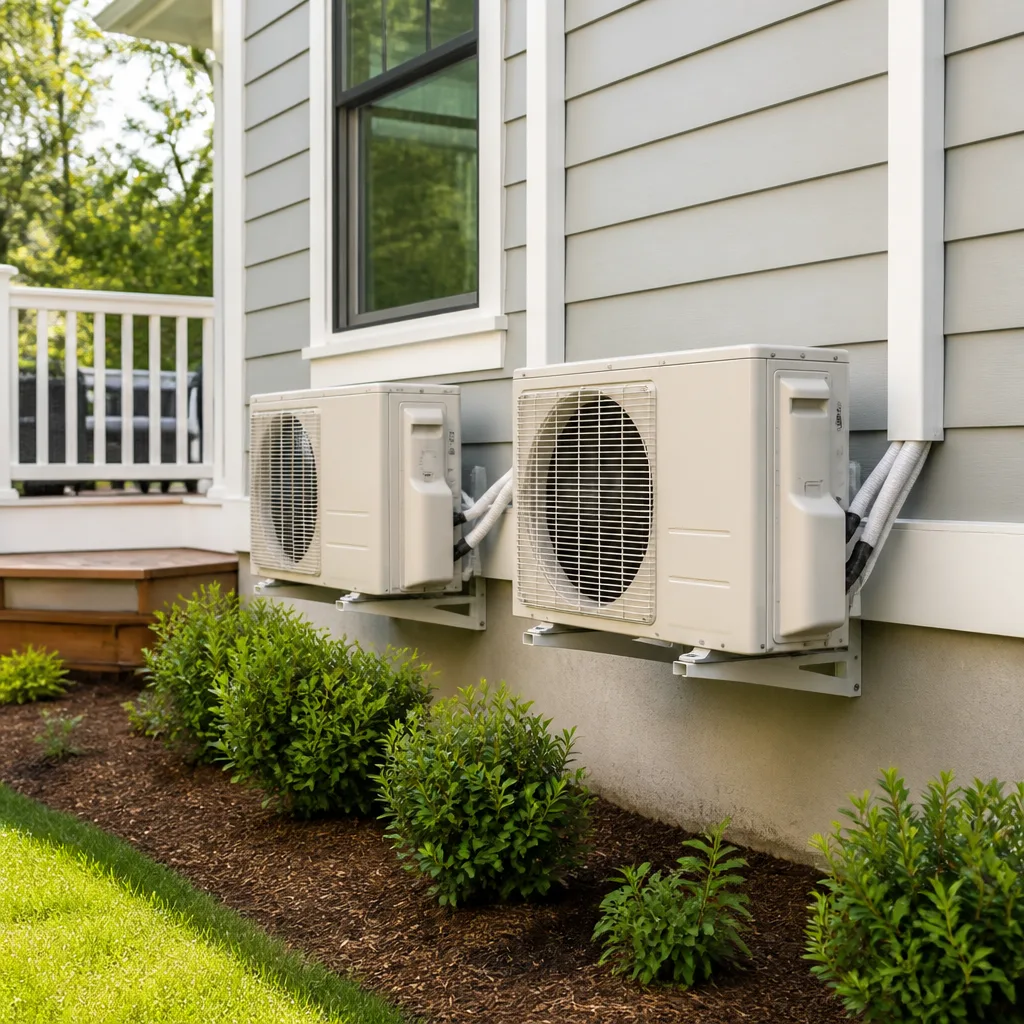 Ductless mini splits
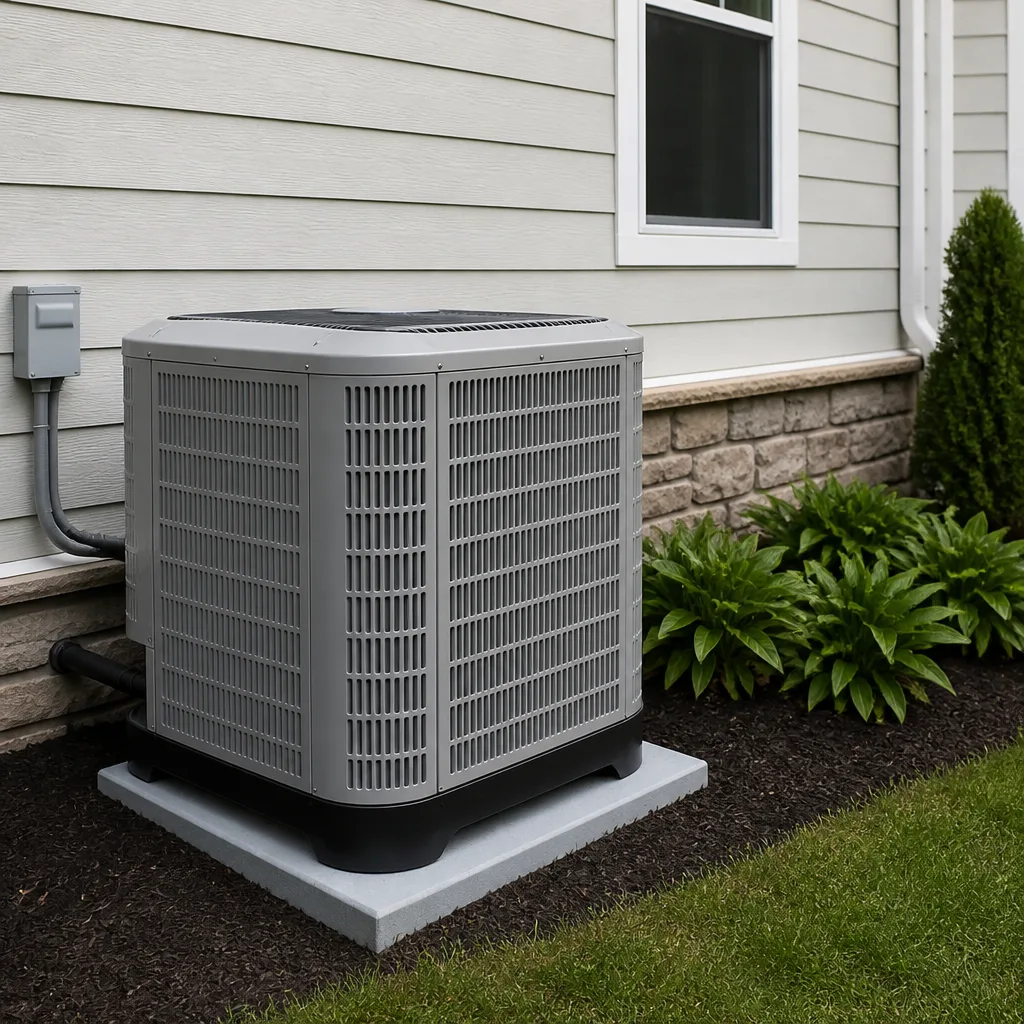 Carrier
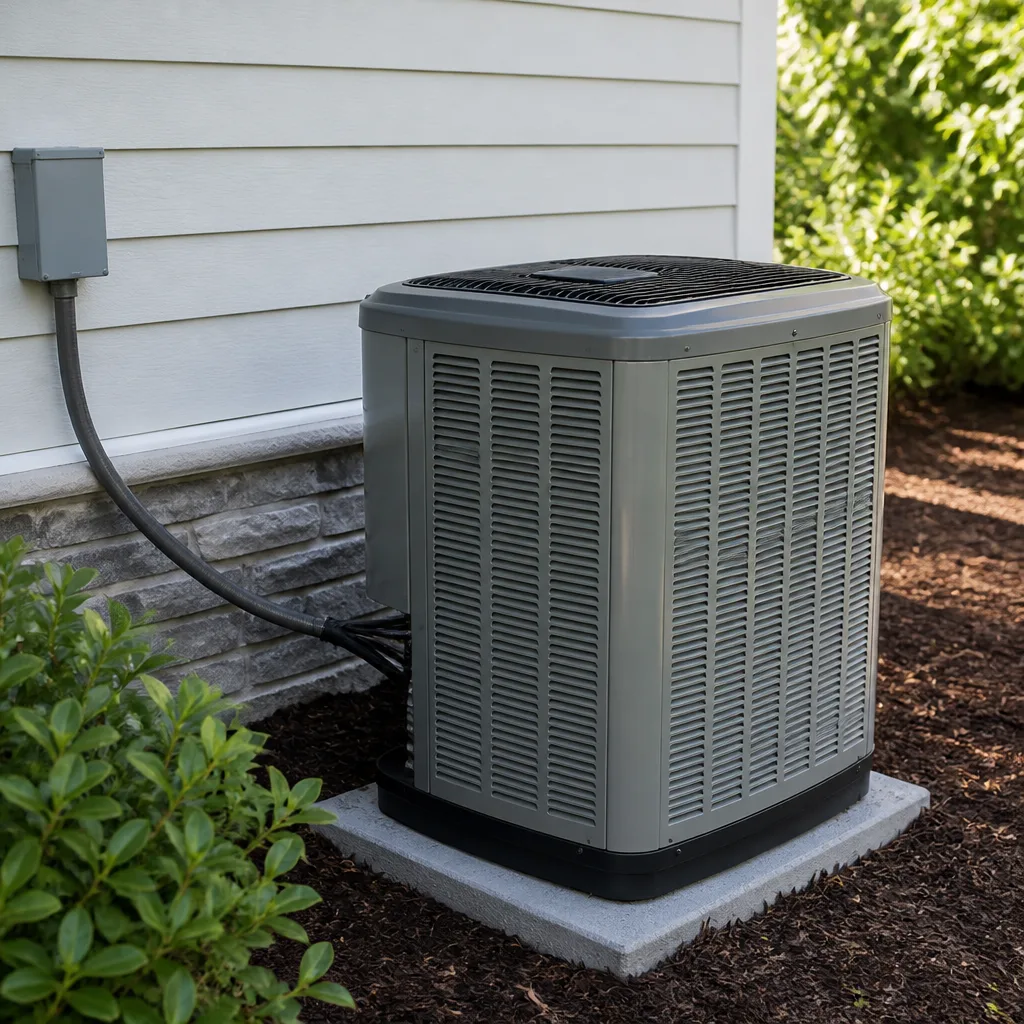 Trane
Trane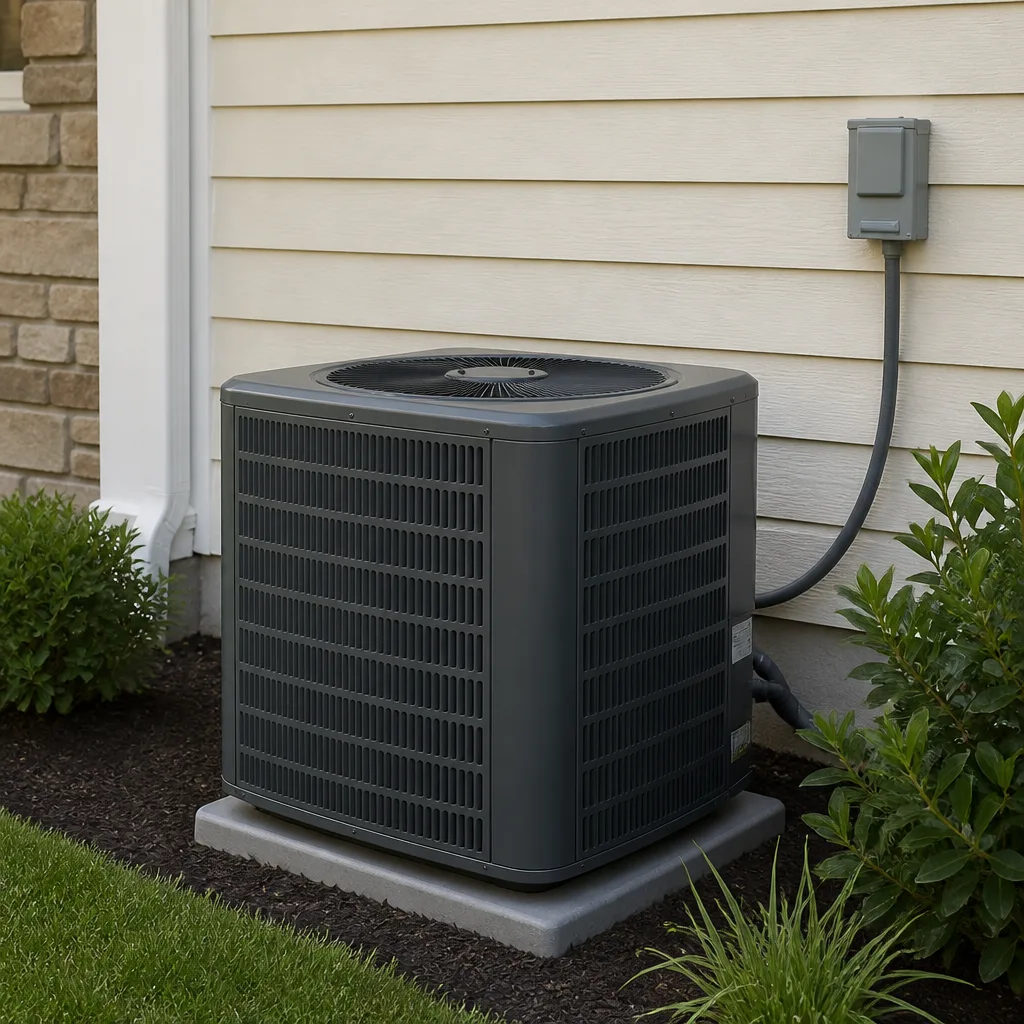 Goodman
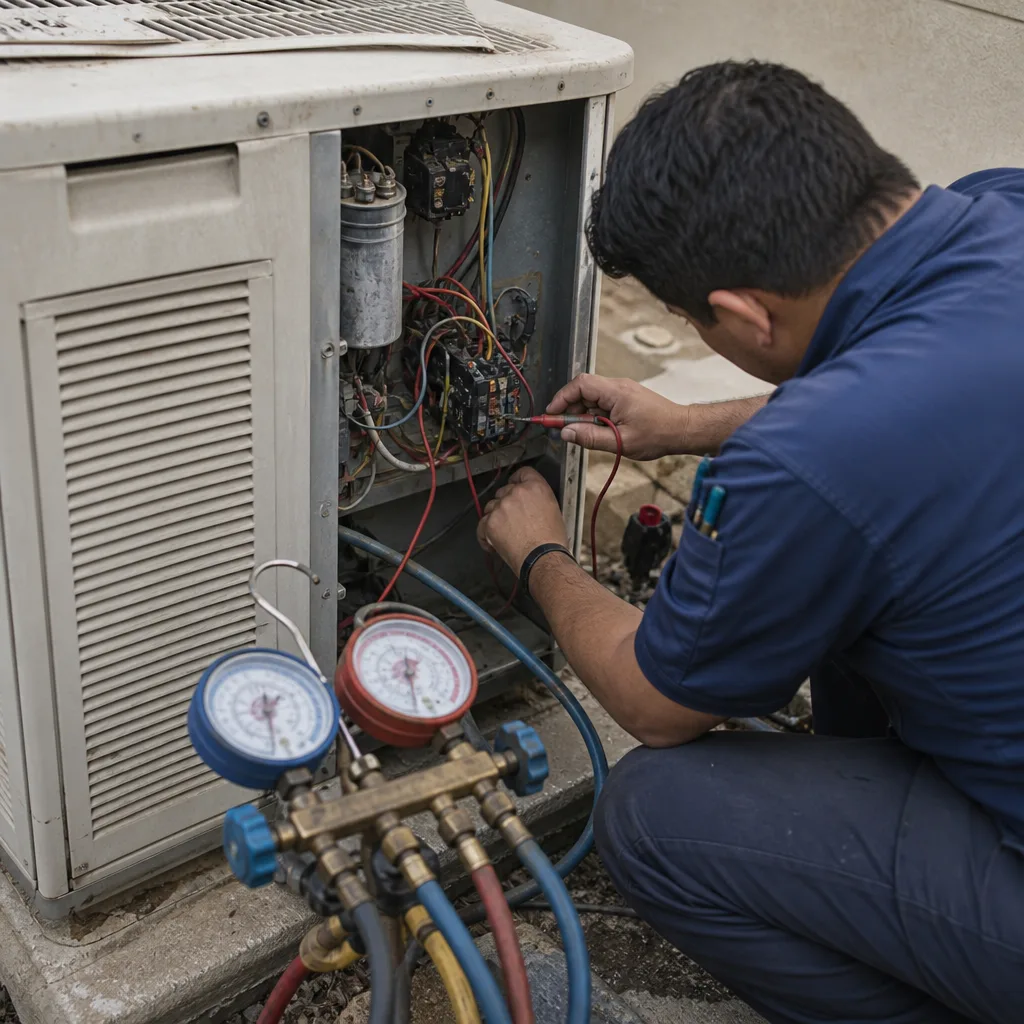
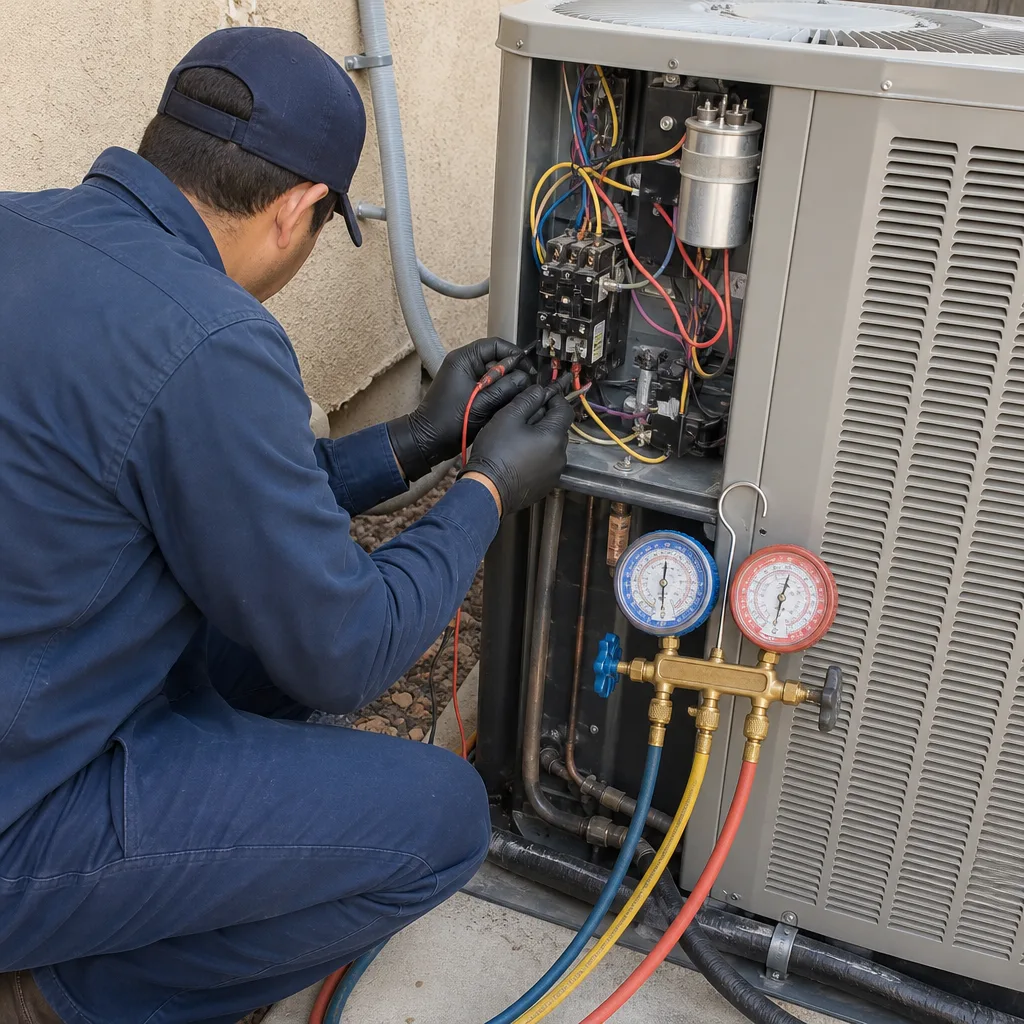
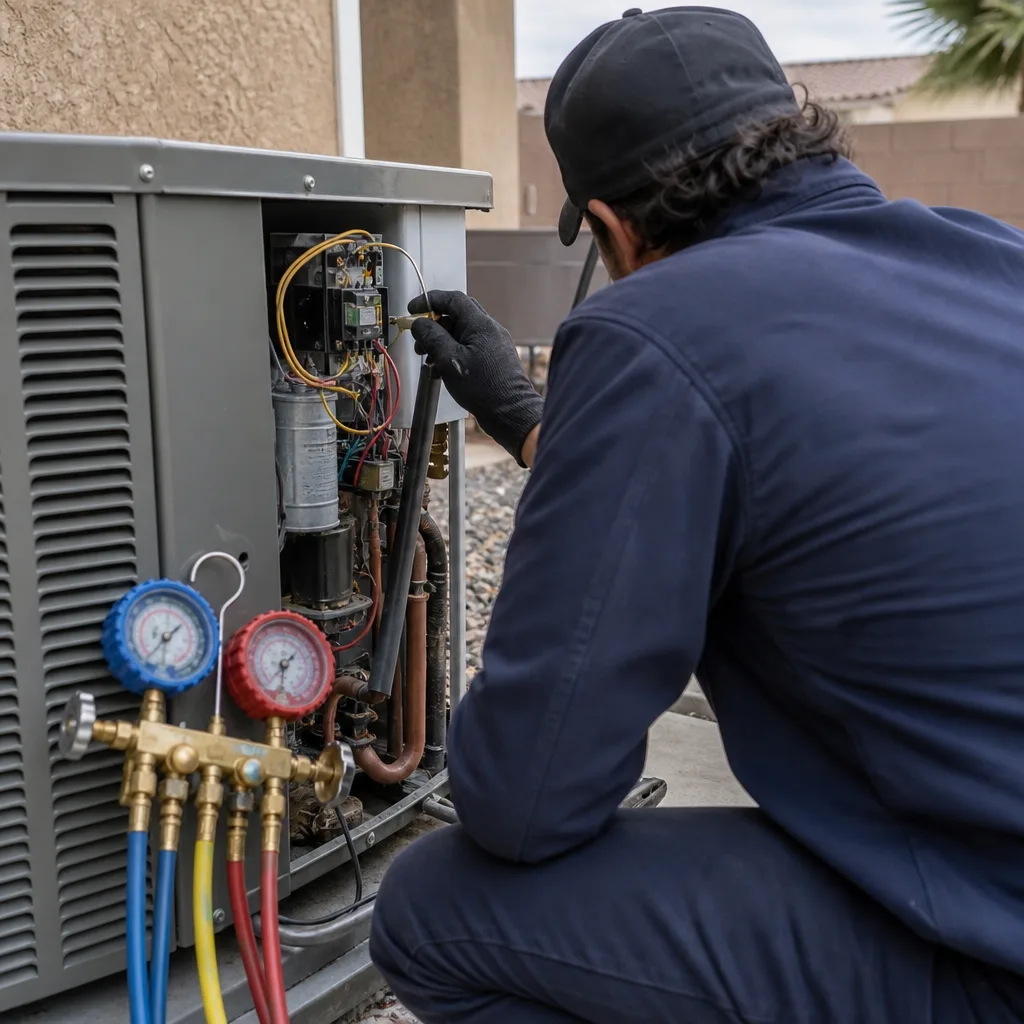
Seasonal tune-up and full diagnostic on your Carrier, Trane, or Goodman system - readings shown to you before any repair is proposed
Diagnosis first, numbers second - you approve the repair price before a single part goes in.
Get your free estimateSeasonal HVAC Care for Las Vegas: Year-Round Homeowner’s Guide
Las Vegas homeowners who schedule their “spring” HVAC maintenance in April are already late. NV Energy load data shows cooling demand spikes hard by mid-May, and every reputable HVAC shop in the valley carries a two-to-three-week backlog by Memorial Day. Our Complete Guide to HVAC in Las Vegas breaks Las Vegas HVAC care into the three phases that actually exist here: the pre-summer ramp (March through May), the extreme cooling grind (June through September), and the recovery-and-heating shoulder (October through February). You’ll learn exactly what to do in each phase, why the August monsoon window deserves its own maintenance event, and how to spread costs across the year so you never absorb one massive pre-summer service bill.
Styles & brands we work with
Quick Answer
Seasonal HVAC care in Las Vegas means following a three-phase schedule tied to the valley’s actual thermal calendar, not generic spring/fall checklists like a typical AC Repair Maintenance Checklist for Las Vegas Homeowners might suggest. The pre-summer ramp (March through May) is for coil cleaning, refrigerant checks, and capacitor testing before the 100-degree days hit. The extreme cooling grind (June through September) is for filter changes every 30 days, drain line flushes, and post-monsoon storm inspections. The recovery-and-heating shoulder (October through February) is for heat strip testing, furnace heat exchanger inspection, and a full system evaluation after months of hard summer runtime.
Table of Contents
- The Three HVAC Phases of Las Vegas (Not Four Seasons)
- Phase One: The Pre-Summer Ramp (March – May)
- Phase Two: The Extreme Cooling Grind (June – September)
- The August Monsoon Window: A Maintenance Event of Its Own
- Phase Three: The Recovery-and-Heating Shoulder (October – February)
- Heating System Prep: The Part Vegas Homeowners Neglect
- Thermostat Strategy for 55°F Mornings and 108°F Afternoons
- The 12-Month Cost-Smoothing Schedule
- Common Mistakes to Avoid
- When to Call a Professional
- Frequently Asked Questions
- The Bottom Line
The Three HVAC Phases of Las Vegas (Not Four Seasons)
Las Vegas doesn’t have four HVAC seasons. It has three distinct operational phases, each demanding a fundamentally different maintenance posture. Understanding this is the single biggest advantage a homeowner can have in the valley.
Phase One is the pre-summer ramp. It runs from about March 1 through late May. Daytime highs climb from the mid-60s into the upper 90s. Your system transitions from intermittent use to daily operation. This is the phase where neglected maintenance from the previous year shows up as weak airflow, warm air from vents, or a system that runs constantly without hitting the setpoint.
Phase Two is the extreme cooling grind. It runs from June through late September. This is when Las Vegas routinely sees 105 to 115 degrees, and your AC effectively becomes a life-safety system. During this phase, an AC failure is not an inconvenience. It’s a health risk, especially for households with young children, seniors, or anyone with a respiratory condition. Systems run 12 to 18 hours daily, and the strain exposes every weak point: capacitors, contactors, condensate drains, and refrigerant levels.
Phase Three is the recovery-and-heating shoulder. It runs from October through February. Daytime highs drop into the 60s and 70s, overnight lows dip into the 30s and 40s. Your AC gets a break, and your heating system, which has sat dormant for eight months, suddenly needs to work. This is also the phase where smart homeowners schedule major maintenance and replacements, because availability is better and pricing isn’t under summer demand pressure.
In our experience servicing homes across Las Vegas since 2004, the homeowners who follow this three-phase model spend measurably less on emergency repairs than those who follow generic “spring and fall tune-up” advice written for Phoenix or Tucson. The difference is that our model maps to how your equipment actually operates here.
Why Calendar Seasons Fail Las Vegas Homeowners
Generic seasonal guides tell you to schedule maintenance in spring and fall. But in Las Vegas, “spring” by the calendar means March 20, which is already six weeks into the pre-summer ramp. By the time the calendar says it’s officially spring, daytime temperatures are already pushing into the 80s. If you wait until then to discover your capacitor is weak or your refrigerant is low, you’re competing for service slots with every other homeowner who made the same mistake.
Fall is equally misleading. By late September, temperatures are dropping, but your AC has just finished three months of maximum strain. The smart move is immediate post-summer evaluation, not waiting for “fall maintenance season.” Here’s the practical translation for Las Vegas homeowners:
- Early March: Schedule your pre-summer tune-up. Beat the rush. Get it done before highs consistently exceed 85 degrees.
- April: This is your buffer month. If March got away from you, April is still workable, but you’re now in the demand curve.
- May: Late. Most shops, including ours at Halden Heating and Air, are running full schedules. Emergency repair pricing starts to apply.
- June through August: Reactive mode. You only call if something breaks. Maintenance during this window is limited to what’s absolutely necessary.
- September: Post-summer evaluation. The ideal window for major repairs or replacement planning before heating season.
- October through February: Heating prep and system recovery. Best pricing, best availability, and the smart time for non-urgent work.
Our team at Halden Heating and Air Las Vegas sees this pattern every single year. Homeowners who call in March get same-week service. Homeowners who call in July with a dead compressor get whatever slot we can squeeze in, often days later, in a house that’s already 95 degrees inside.
For a deeper look at what a comprehensive cooling system check involves, see our guide to AC Repair in Las Vegas.
Phase One: The Pre-Summer Ramp (March – May)
The pre-summer ramp is your window to catch problems before they become emergencies. Here are the specific tasks, in priority order, for Las Vegas homeowners during March through May.
1. Replace or Clean Your Air Filter (March 1 – 15)
After a winter of light use, your filter may look fine. It isn’t. Las Vegas is dusty year-round, and construction dust, pet dander, and desert particulates accumulate even when the system runs intermittently. A clogged filter forces your blower motor to work harder, reduces airflow across the evaporator coil, and can cause the coil to freeze when summer demand hits. Start the season with a fresh filter, then switch to a 30-day replacement cycle through September.
2. Schedule a Professional Pre-Summer Tune-Up (Early to Mid-March)
A proper pre-summer tune-up for a Las Vegas home includes specific checks that matter in our climate:
- Capacitor testing: The capacitor is the component that gives your compressor and fan motors the electrical jolt they need to start. Las Vegas heat kills capacitors faster than almost any other climate. A capacitor that’s weak in March will fail completely by July. Testing it now costs a service call; replacing it now costs $150 to $400 depending on your system. Replacing it during a July heat wave means paying emergency rates and sitting in a hot house.
- Refrigerant level check: Low refrigerant means your system can’t produce cold air efficiently. It also means there’s a leak somewhere, because refrigerant doesn’t get “used up.” A system that’s 10% low on refrigerant will run longer, work harder, and consume more electricity all summer. In Las Vegas, that’s real money on your NV Energy bill.
- Condensate drain line flush: Your AC produces gallons of condensation daily during Las Vegas summers. If the drain line is partially clogged with algae or debris, the water backs up and can trigger a float switch that shuts your entire system down, or worse, overflow into your ceiling or crawlspace. A simple flush in March prevents this entirely.
- Evaporator and condenser coil inspection: Dusty coils reduce heat transfer efficiency. A system with dirty coils can use 10 to 15% more energy and still struggle to cool. In Las Vegas, where dust is a constant, coil cleaning is not optional.
3. Test Your System on the First 85-Degree Day
Don’t wait for the first 100-degree day. The first time the forecast calls for 85 degrees or better, run your AC for a full hour and watch for these warning signs:
- Vents blowing warm air instead of cold
- System running constantly without cycling off
- Unusual noises: grinding, squealing, or rattling from the outdoor unit
- Water pooling around the indoor unit
- Ice forming on the refrigerant lines
Any of these symptoms means something is wrong. Catching it at 85 degrees is a repair call. Ignoring it until 108 degrees is a disaster.
Phase Two: The Extreme Cooling Grind (June – September)
During the extreme cooling grind, your HVAC system is doing the hardest work it will do all year, in the harshest conditions any residential AC system in the United States faces. Daytime highs regularly exceed 105 degrees, overnight lows sometimes don’t drop below 90, and your system runs 14 to 18 hours per day. Here’s what maintenance looks like during this phase.
Filter Maintenance Becomes Non-Negotiable
Every 30 days. No exceptions. Here’s why this matters more in Las Vegas than anywhere else: your system is running nearly constantly, pulling massive volumes of air through the filter. The filter is catching construction dust, pollen from spring bloom, and the fine particulate that settles on everything in the valley. A filter that’s 50% clogged in June will be 100% clogged by mid-July if you skip a month. That means reduced airflow, frozen coils, and a system shutdown at the worst possible time.
Set a calendar reminder. Put a note on the filter itself with the date. Whatever system you need to actually do it, do it. This is the single highest-impact maintenance task you control directly.
Watch Your Energy Bills for Early Warning Signs
Your NV Energy bill is a diagnostic tool. If your July bill is 30% higher than last July, with similar thermostat settings and similar weather, something is wrong. Common culprits we find during Las Vegas summers include:
- Refrigerant leak: A slow leak forces your system to run longer to hit the same temperature. Longer runtime equals higher bills.
- Failing capacitor: A weak capacitor makes your compressor work harder to start, drawing more power each cycle.
- Dirty outdoor coil: The condenser coil on your outdoor unit needs to shed heat effectively. If it’s caked with dust and debris, the system runs hotter and longer.
- Aging compressor: Compressors lose efficiency as they age. A 15-year-old compressor will never be as efficient as it was at year five, even with perfect maintenance.
If you see an unexplained spike, call for a diagnostic before the problem becomes a full failure. A diagnostic visit from Halden Heating and Air Las Vegas includes a written price for any repair before work begins, so you’ll know exactly what you’re dealing with.
Protect Your Outdoor Unit
During extreme heat, your outdoor condenser unit is doing the thermal equivalent of sprinting in a sauna. Give it every advantage:
- Keep the area around it clear: Two feet of clearance on all sides minimum. No plants, no stored items, no lattice enclosures that restrict airflow.
- Check for debris: Cottonwood season in Las Vegas runs May through June, and the fluff clings to condenser coils like glue. A quick visual inspection and gentle hose-down (with the power off) can improve efficiency noticeably.
- Consider shade: A shaded condenser unit operates more efficiently than one in direct sun. But don’t plant dense shrubs right next to the unit; you’ll restrict airflow. A shade sail or pergola positioned above, with proper clearance, works well.
The August Monsoon Window: A Maintenance Event of Its Own
Las Vegas monsoon season, roughly July through September, brings something your HVAC system rarely faces the rest of the year: sudden, violent storms with heavy rain, wind, dust, and debris. Most seasonal guides completely miss this, but in our experience, the weeks after the first major monsoon storms generate a distinct spike in HVAC service calls across Las Vegas. Here’s what happens and how to respond.
What Monsoon Storms Do to Your HVAC System
A Las Vegas monsoon storm can drop an inch of rain in under an hour, drive winds over 40 miles per hour, and kick up walls of dust and sand. Your outdoor condenser unit sits directly in this. The specific risks:
- Debris impact on coils: Wind-driven debris, everything from leaves to trash to small branches, can slam into your condenser coils. Aluminum fins are delicate. A bent fin reduces heat transfer efficiency. A coil with 20% damaged fins loses measurable efficiency.
- Dust and mud caking: Monsoon rain mixed with desert dust creates a mud slurry that coats outdoor units. Once dry, this layer insulates the coil and reduces its ability to shed heat. A unit caked in dried monsoon mud can run 5 to 10 degrees hotter internally.
- Drain pan overflow from debris intrusion: Storm debris can enter the condensate drain system or block the drain pan outlet. Combined with the high humidity that accompanies monsoon storms, your AC produces more condensate than usual. A blocked drain under high condensate load is a classic recipe for overflow and water damage.
- Electrical surge exposure: Monsoon storms bring lightning, and Las Vegas power infrastructure occasionally flickers or surges during these events. Your HVAC system’s control board, thermostat, and compressor are all sensitive to voltage spikes.
The Post-Monsoon Inspection Checklist
After the first major monsoon storm of the season, and after any particularly violent storm throughout July and August, run through this checklist:
- Visual inspection of the outdoor unit: Look for debris wedged in or against the coil, visible mud caking, or physical damage to the unit housing.
- Check the condensate drain: Look for standing water around the indoor unit, water stains on the ceiling below attic units, or a float switch that has triggered a system shutdown.
- Surge protector status check: If your system has a surge protector (and it should in Las Vegas), check the indicator light. If it’s out or red, the surge protector has absorbed a hit and needs replacement. A dead surge protector provides zero protection.
- Run the system and listen: Unusual sounds after a storm often indicate debris got into the blower assembly or something shifted inside the outdoor unit.
If you find damaged coils, blocked drains, or suspect electrical damage, don’t attempt DIY repairs. Coil fin repair requires specialized tools. A wrong move on electrical components carries real shock risk. Call a professional. Halden Heating and Air Las Vegas provides free estimates in Las Vegas, and every repair includes a written guarantee before work begins. We also recommend a whole-home surge protector if you don’t have one, especially for homes in Summerlin, Henderson, and other areas that see frequent lightning during monsoon season.
Phase Three: The Recovery-and-Heating Shoulder (October – February)
By October, your AC has completed another Las Vegas summer. It has run more hours in four months than a typical system in a mild climate runs in two years. This is the phase where the accumulated wear shows up, and it’s also the phase where smart homeowners get the best service availability and pricing.
Schedule Your Post-Summer System Evaluation
The single most valuable maintenance appointment in Las Vegas is the one you schedule in October. Here’s why: your system just survived the harshest cooling load in the country. Whatever damage accumulated during the summer is now visible and diagnosable. More importantly, you have eight months before you need peak cooling performance again, which means you can schedule repairs with zero urgency and locked-in pricing.
A proper post-summer evaluation covers:
- Full system performance test: Measure temperature differential, check refrigerant charge, verify proper cycling.
- Component wear assessment: Capacitors, contactors, fan motors, and compressor condition after heavy summer use.
- Duct inspection: Summer heat can degrade duct connections and insulation, especially in attics that hit 140 degrees in Las Vegas.
- Efficiency review: Compare energy usage patterns to identify efficiency degradation that points to bigger problems developing.
If the evaluation reveals that your system is nearing the end of its life, October through February is the ideal window for AC Installation in Las Vegas. Manufacturers typically run promotions in the fall and winter. Our installation crews have better availability. And you won’t be making a rushed decision during a July emergency when temperatures inside your house are climbing past 90.
Heating System Prep: The Part Vegas Homeowners Neglect
Las Vegas heating systems fail in predictable ways. The problem is that most homeowners never notice until the one cold week when they actually need heat. Here’s what you need to know about heating prep in the Las Vegas climate.
Why Las Vegas Heaters Fail When You Need Them
Your furnace or heat pump sits dormant for roughly eight months out of the year in Las Vegas. Components that sit unused for long periods develop specific problems:
- Dust accumulation on heat strips and burners: The same dust that coats everything in Las Vegas settles inside your heating system during the long off-season. When the system fires up in December, that dust burns off, creating a burning smell that alarms homeowners and can trip safety sensors.
- Heat exchanger cracks from thermal cycling: Gas furnaces in Las Vegas experience extreme temperature swings. A furnace that sits in a 120-degree attic in July and then fires to heat a house to 70 degrees in December undergoes significant thermal expansion and contraction. Over years, this cycling can stress the heat exchanger and create hairline cracks.
- Igniter and flame sensor corrosion: Even in dry Las Vegas, occasional humidity from monsoon season and cooling condensation can affect furnace components in shared air handler spaces.
Essential Heating System Checks (Complete in October)
- Test the heating cycle before you need it: In late October or early November, switch your thermostat to heat mode and run the system for 30 minutes. Listen for unusual sounds, smell for gas, and verify that warm air is actually reaching all vents.
- Schedule a professional heat exchanger inspection (gas furnaces): A cracked heat exchanger can release carbon monoxide into your home. This is not a DIY check. It requires specialized inspection tools and knowledge of what to look for. In our experience across Las Vegas, we find heat exchanger cracks most often in furnaces that are 15 years or older, and in homes where the furnace lives in a hot attic space.
- Inspect electric heat strips (heat pumps and electric furnaces): Heat strips that have accumulated dust produce less heat, cycle inefficiently, and can trip breakers. A professional cleaning and resistance test verifies they’re operating at full output.
- Replace the air filter before heating season: Yes, you did this in March. It’s been six months. Do it again, especially if you were inconsistent during the summer cooling grind.
If your heating system is older or showing signs of trouble, our guide to Furnace Repair in Las Vegas covers what repairs cost and when replacement makes more sense. We service all major brands including Carrier, Trane, and Lennox equipment.
Thermostat Strategy for 55°F Mornings and 108°F Afternoons
Las Vegas shoulder months, roughly October and March through May, create a specific thermostat challenge: overnight lows in the 50s, afternoon highs that can still hit 90 or 100. A single thermostat setting doesn’t work, and constant manual adjustment leads to inefficiency and short-cycling. Here’s a programming strategy we recommend to Las Vegas homeowners.
The Short-Cycling Problem
Short-cycling is when your HVAC system turns on and off frequently instead of running in longer, more efficient cycles. It happens in shoulder months when outdoor temperatures sit right at the threshold where heating and cooling needs overlap. Your system starts, satisfies the thermostat quickly because the temperature differential is small, shuts off, and starts again 20 minutes later.
Short-cycling is hard on equipment. The most stressful moment for any HVAC system is startup, when electrical load is highest and moving parts transition from rest to operation. A system that short-cycles 30 times per day experiences 30 startups. A system that runs longer cycles experiences 10 to 12. Over a shoulder season, that’s hundreds of extra startups, each one wearing on capacitors, contactors, and compressor internals.
A Programming Schedule That Works in Las Vegas
Here’s a practical thermostat schedule for shoulder months, assuming a smart or programmable thermostat with at least four daily settings:
- Overnight (10 p.m. to 6 a.m.): Set cooling to 72°F. Outdoor temps drop into the 50s, so your system may not run at all, or may run briefly in the early evening before outdoor temps drop. If you have a heat setting, set it to 60°F as a floor so the system doesn’t kick on unnecessarily on cool mornings.
- Morning (6 a.m. to 9 a.m.): Keep cooling at 74°F. Outdoor temps are rising from the 50s but haven’t hit peak yet. Your system shouldn’t need to run much.
- Daytime (9 a.m. to 6 p.m.): If you’re home, set cooling to 76°F. If you’re away, set it to 80°F. The key is avoiding the temptation to turn the system off entirely. A system that’s off all day in a 90-degree house has to run for hours to recover, which uses more energy than maintaining a moderate temperature.
- Evening (6 p.m. to 10 p.m.): Set cooling to 74°F. Outdoor temps are dropping, so the system should cycle normally without strain.
During the extreme summer months (June through September), simplify. Set it to 76 to 78°F during the day if you’re home, 80 to 82°F if you’re away, and 74 to 76°F at night. Don’t try to set it to 68°F during a 110-degree day. Most Las Vegas systems are sized for a 25 to 30 degree temperature differential. A 68-degree setpoint on a 110-degree day means the system runs continuously and may never hit the target, which wastes energy and accelerates wear.
Consider a Smart Thermostat
If you’re still using a basic programmable thermostat, upgrading to a smart thermostat pays for itself in Las Vegas faster than almost anywhere else in the country. Smart thermostats learn your schedule, adjust automatically for outdoor conditions, and some models integrate with NV Energy time-of-use billing to shift cooling to off-peak hours. We recommend models from major manufacturers that integrate with existing systems, and Halden Heating and Air can advise on compatibility with your specific equipment.
The 12-Month Cost-Smoothing Schedule
Most Las Vegas homeowners absorb their HVAC maintenance costs in one painful burst during the pre-summer ramp. But there’s a better way. Spreading costs across the year reduces financial strain and ensures your system gets attention when it actually needs it, not when a generic calendar says to schedule it.
The Month-by-Month Budget Plan
Here’s a practical 12-month schedule that maps maintenance spending to system needs, with estimated costs for typical Las Vegas homes:
- January: Budget month. Set aside $50 to $75 per month for HVAC maintenance if you haven’t been doing this. If you have a maintenance plan, this is a low-cost month.
- February: Deep clean month. Vacuum all supply registers and return grilles. Cost: $0 if you do it yourself, about 30 minutes of time.
- March: Pre-summer tune-up. Professional inspection, coil cleaning, capacitor test, drain flush. Cost: $150 to $300 depending on system type and condition.
- April: Air filter replacement. Cost: $15 to $40 for a quality filter.
- May: Buffer month. No planned spending. If something needs attention from the March tune-up, handle it now.
- June: Air filter replacement. Cost: $15 to $40.
- July: Monsoon prep month. If you don’t have a whole-home surge protector, this is the month to install one. Cost: $250 to $500 installed.
- August: Post-monsoon inspection. Visual checks, drain line flush if needed, coil cleaning if mud-caked. Cost: $0 if you do the visual checks yourself, $150 to $250 for professional service if you find problems.
- September: Air filter replacement. Cost: $15 to $40.
- October: Post-summer evaluation and heating prep. Full system performance test, heat exchanger inspection, heat strip testing. Cost: $200 to $350.
- November: Buffer month. Address anything found in the October evaluation.
- December: Air filter replacement. Cost: $15 to $40.
Total annual maintenance cost for a typical Las Vegas home, following this schedule: $600 to $1,200. That’s the equivalent of one emergency repair call during a summer heat wave, and it covers proactive maintenance that prevents those emergency calls in the first place.
Maintenance Plans vs. Pay-As-You-Go
Many Las Vegas HVAC companies, including ours at Halden Heating and Air Las Vegas, offer maintenance plans that spread costs into monthly or quarterly payments. For more guides & resources on keeping your system running efficiently year-round, explore our blog. The financial difference between a plan and pay-as-you-go is minimal. The real value is that a plan removes the friction of remembering to schedule. Homeowners on maintenance plans are far more likely to get their pre-summer tune-up in March instead of May, and far more likely to catch a failing capacitor at $200 instead of a dead compressor at $2,500.
Common Mistakes to Avoid
- Waiting until May or June to schedule pre-summer maintenance. By mid-May, every HVAC company in Las Vegas has a backlog, and you’re competing for service slots with people whose systems have already failed. The correct window is early March.
- Neglecting the air filter during the summer grind. A clogged filter is the most common cause of preventable AC failure in Las Vegas. It causes frozen coils, reduced airflow, and excessive strain on the blower motor. Change it every 30 days through September.
- Assuming your heater is fine because you barely use it. Las Vegas heaters fail due to long periods of inactivity, not overuse. Heat exchanger cracks, dust-caked heat strips, and igniter failures all develop while the system sits dormant. Test your heat in October, not December.
- Ignoring the post-monsoon inspection. Monsoon storms damage outdoor units, clog drains, and expose electrical vulnerabilities. A quick visual inspection after the first major storm catches problems before they become July emergencies.
- Setting the thermostat too low during extreme heat. A 68-degree setpoint on a 110-degree day means your system runs continuously, never satisfies, and wears out faster. Accept 76 to 78 as a reasonable summer daytime temperature in Las Vegas.
- Putting off a replacement decision until the system dies. A system that’s 15 years old and requiring major repairs is telling you something. Replacing it in October, when you have time to make a good decision, is always better than replacing it in July, when you have no choice.
- Skipping the post-summer evaluation because “everything worked fine.” Summer wear shows up in October, not July. The evaluation you do after the cooling season is what prevents problems in the next one.
When to Call a Professional
Some HVAC tasks are genuinely DIY-friendly: changing filters, clearing debris around the outdoor unit, visually inspecting for obvious problems. Most others require professional training, specialized tools, and an understanding of electrical and refrigerant safety. For help deciding what’s safe to tackle yourself, see our DIY vs Professional HVAC: The Las Vegas Homeowner’s Decision Guide. Call a professional when you notice refrigerant leaks (indicated by warm air from vents or ice on refrigerant lines), any electrical issue (tripped breakers, burning smells, sparking), a cracked heat exchanger (requires professional inspection to identify), or any problem you don’t fully understand. Attempting DIY repairs on electrical components, refrigerant systems, or gas furnaces carries serious risk of injury, equipment damage, or carbon monoxide exposure. Halden Heating and Air Las Vegas offers free estimates in Las Vegas, and every job includes a written price before work begins. Call (725) 220-3488.
Frequently Asked Questions
Every 30 days during the cooling season (April through September) and every 60 to 90 days during the shoulder months. Las Vegas dust loads are heavier than nearly any other U.S. city, and your system runs more hours here, which means more air passes through the filter. A filter that lasts three months in a mild climate will be clogged in four to six weeks in Las Vegas. If you have pets or live near active construction, check it even more frequently.
Capacitor failure is the most common single-component failure we see during Las Vegas summers. Capacitors are electrical components that help start and run your compressor and fan motors, and they degrade faster in extreme heat. A failed capacitor is usually a quick, relatively inexpensive repair, but it can leave you without cooling on a 110-degree day. This is exactly why we test capacitors during pre-summer tune-ups, when a $200 replacement beats a $400 emergency call.
Yes. Your AC working “fine” last September tells you nothing about its condition after eight months of seasonal transition. Capacitors degrade during storage. Refrigerant leaks develop slowly. Drains clog gradually. The tune-up exists to catch these issues before they manifest as a failure on the hottest day of the year. Most AC repairs in Las Vegas cost between $150 and $500 when caught early. The same problems left until failure can easily exceed $1,500.
October through February is the ideal replacement window. Manufacturer promotions are most common in fall and early winter. Installation crews have better availability, which means more scheduling flexibility for you. And you avoid the uncomfortable reality of replacing a system during a summer emergency, when you’re making a $12,000 to $20,000 decision while your family sits in a 95-degree house. A new AC installation planned in October gives you months to research options and get competitive pricing.
You can skip it, but you’re gambling with your safety. The danger isn’t that your heater will fail during a mild winter, it’s that the failure mode for neglected gas furnaces is a cracked heat exchanger that can release carbon monoxide into your home. Carbon monoxide is invisible, odorless, and deadly. The fact that you only run your heat for a few weeks a year doesn’t reduce this risk, it actually increases it, because components that sit unused develop different problems than components that run regularly. Heating safety inspection is the most important maintenance you’ll do all year.
We answer every call with a live person, 24/7, and provide live arrival times you can track to your door, not a four-hour window. During peak summer demand, same-day service isn’t always possible for non-emergency issues, but we prioritize emergencies and communicate honestly about timing. The best way to never need emergency service is to schedule your pre-summer tune-up in March. If you’re reading this in July and your AC is dead, call (725) 220-3488 now and we’ll get you on the schedule as fast as possible.
The Bottom Line
Las Vegas HVAC care succeeds or fails based on timing. The homeowners who get it right schedule pre-summer maintenance in early March, stay disciplined with filter changes through the cooling grind, inspect for monsoon damage in August, and evaluate their systems in October. The homeowners who struggle are the ones who wait for generic “spring” and “fall” signals that arrive months too late for this climate. You don’t need to spend more money to do this right. You need to spend it at the right times, on the right tasks, and understand the three thermal phases that actually govern your equipment’s life in the desert. If you want a partner who understands Las Vegas HVAC on this level, Halden Heating and Air Las Vegas is ready. Book online, get a live arrival time, and track your tech to the door. Call (725) 220-3488 for a free estimate.
Written by Andre Fuller, Owner at Halden Heating and Air Las Vegas, serving Las Vegas since 2004.
See the difference
 Before
 After
After Before
 After
After Before
 After
After