
Last updated October 16, 2026
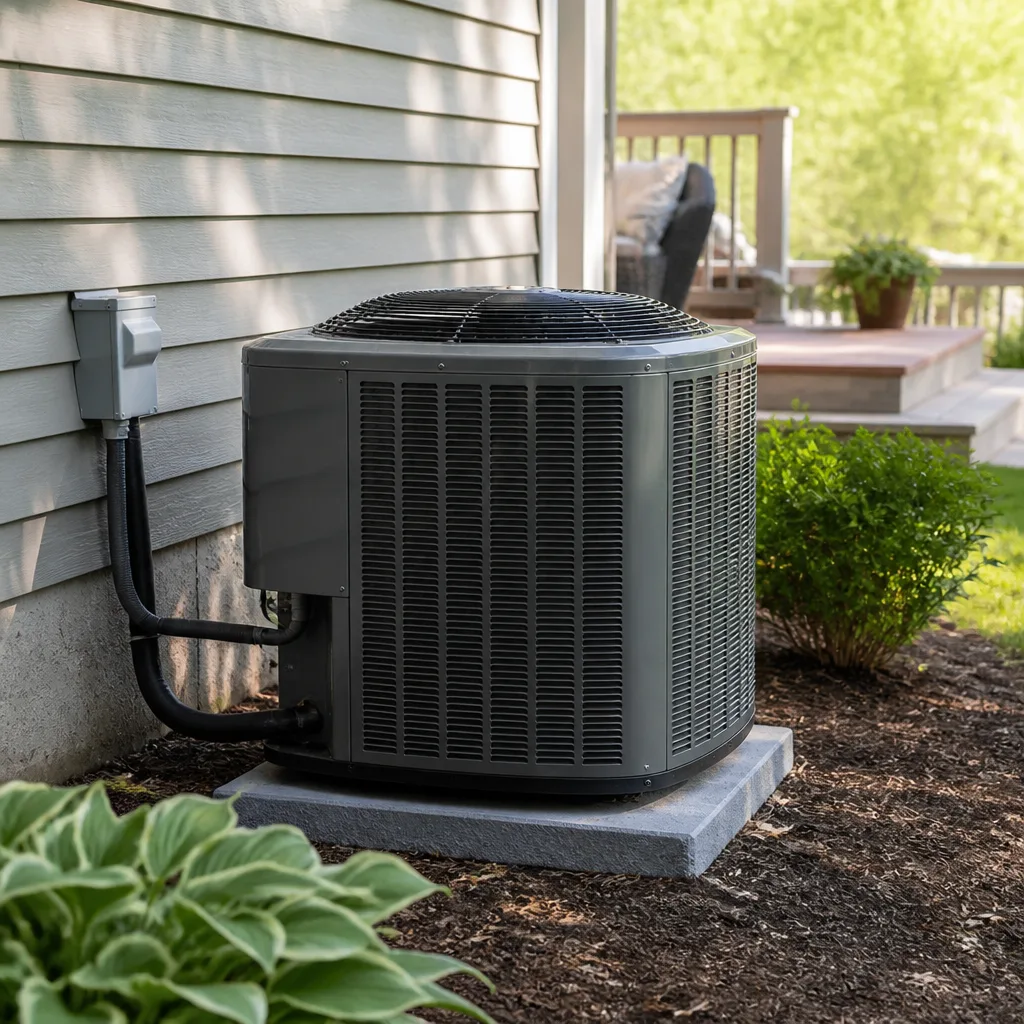 AC repair
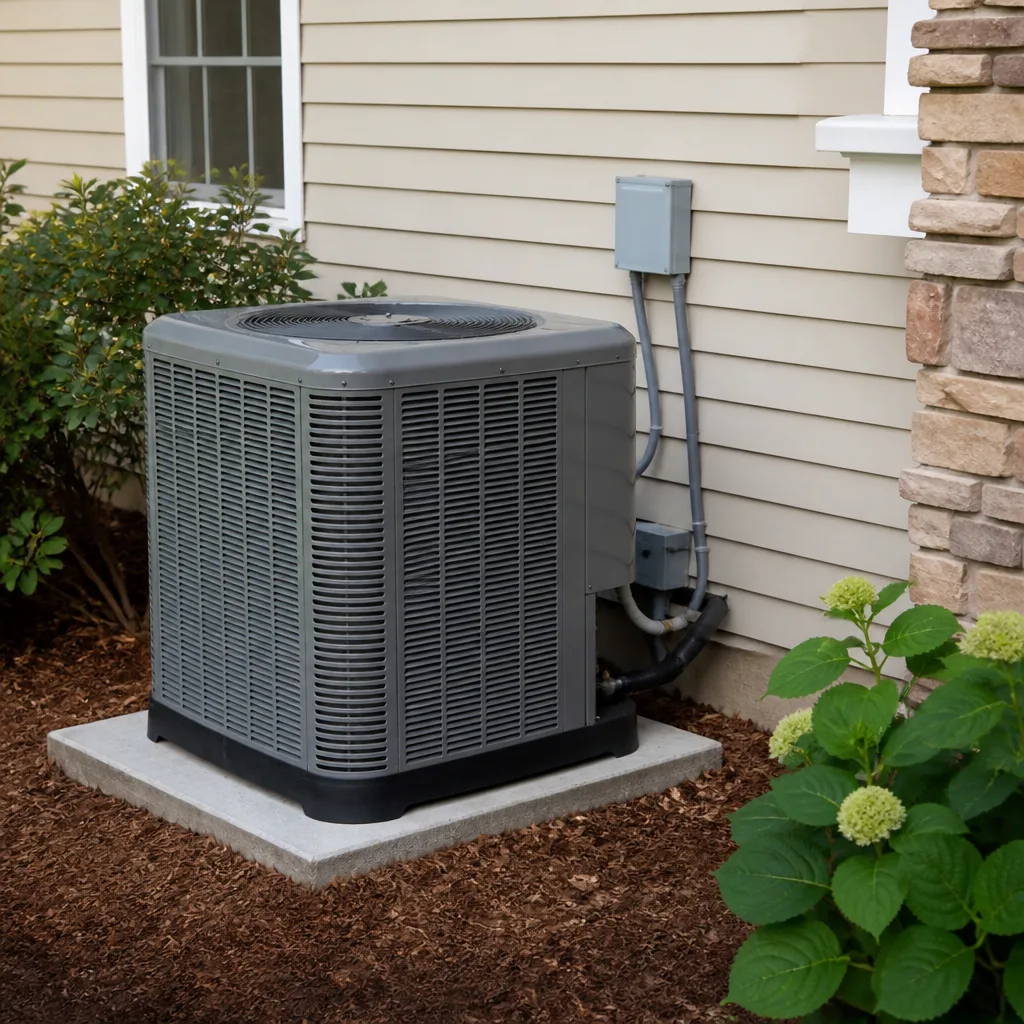 Furnace & heating
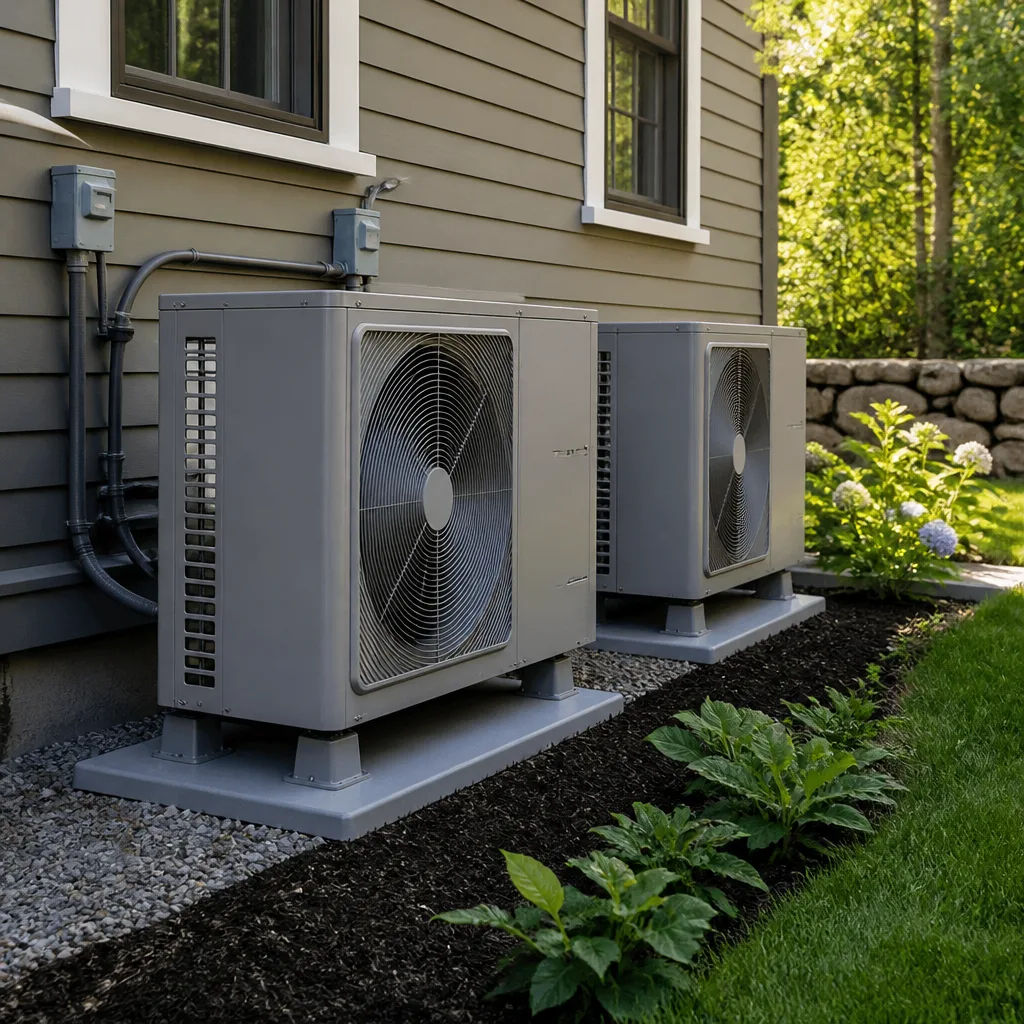 Heat pumps
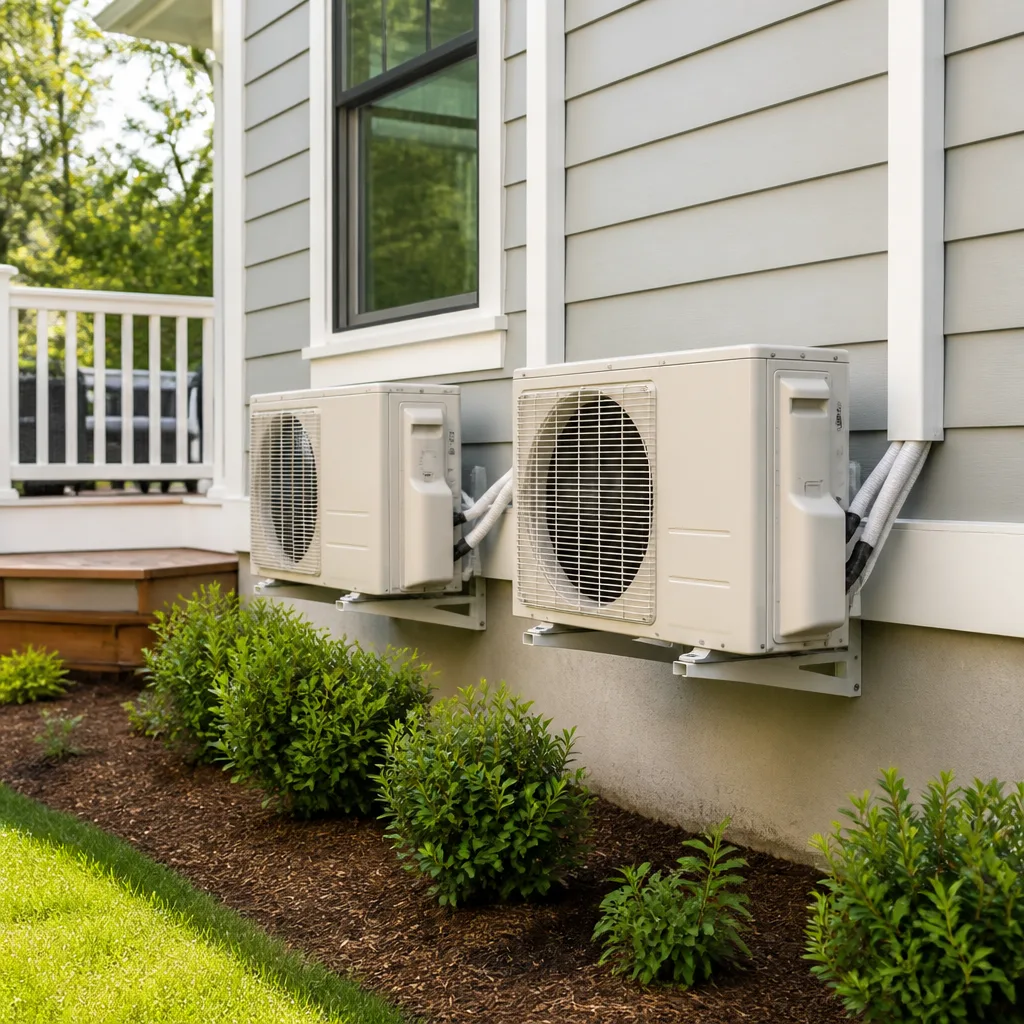 Ductless mini splits
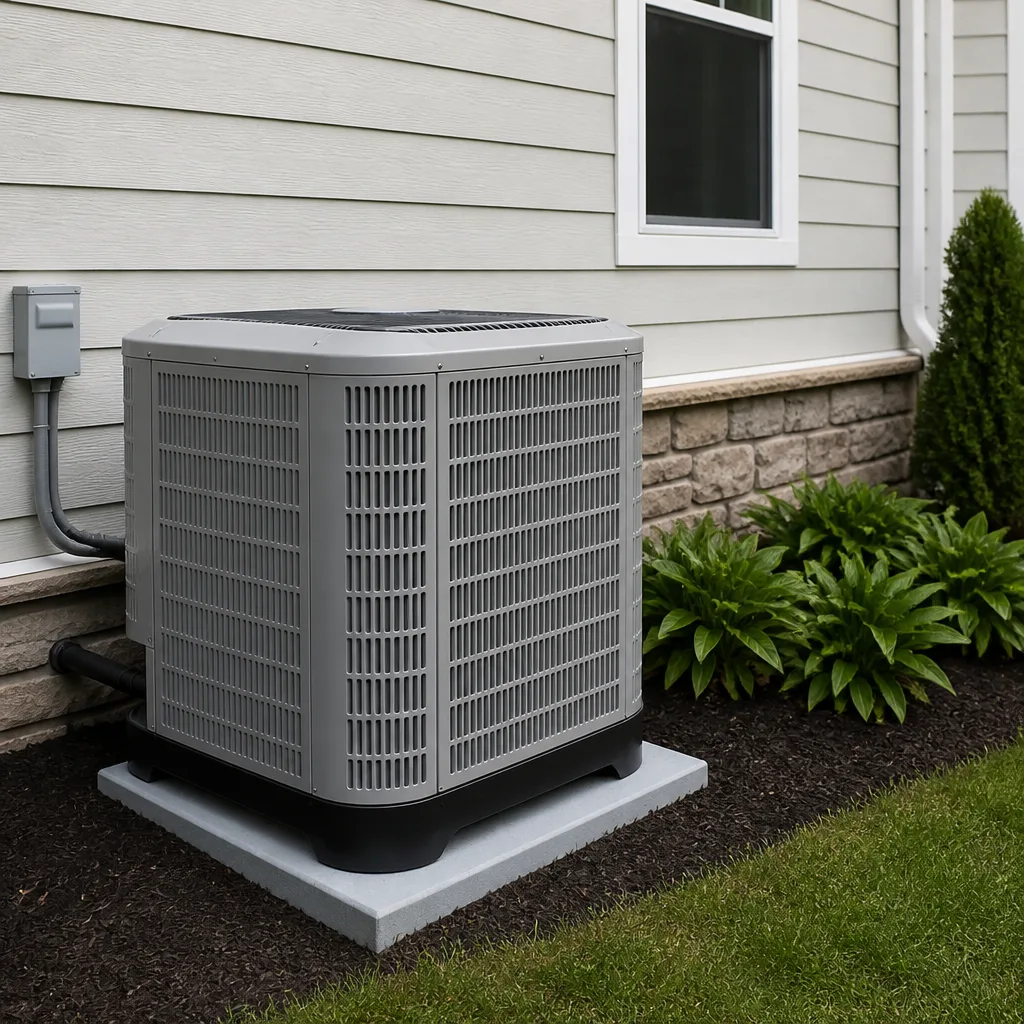 Carrier
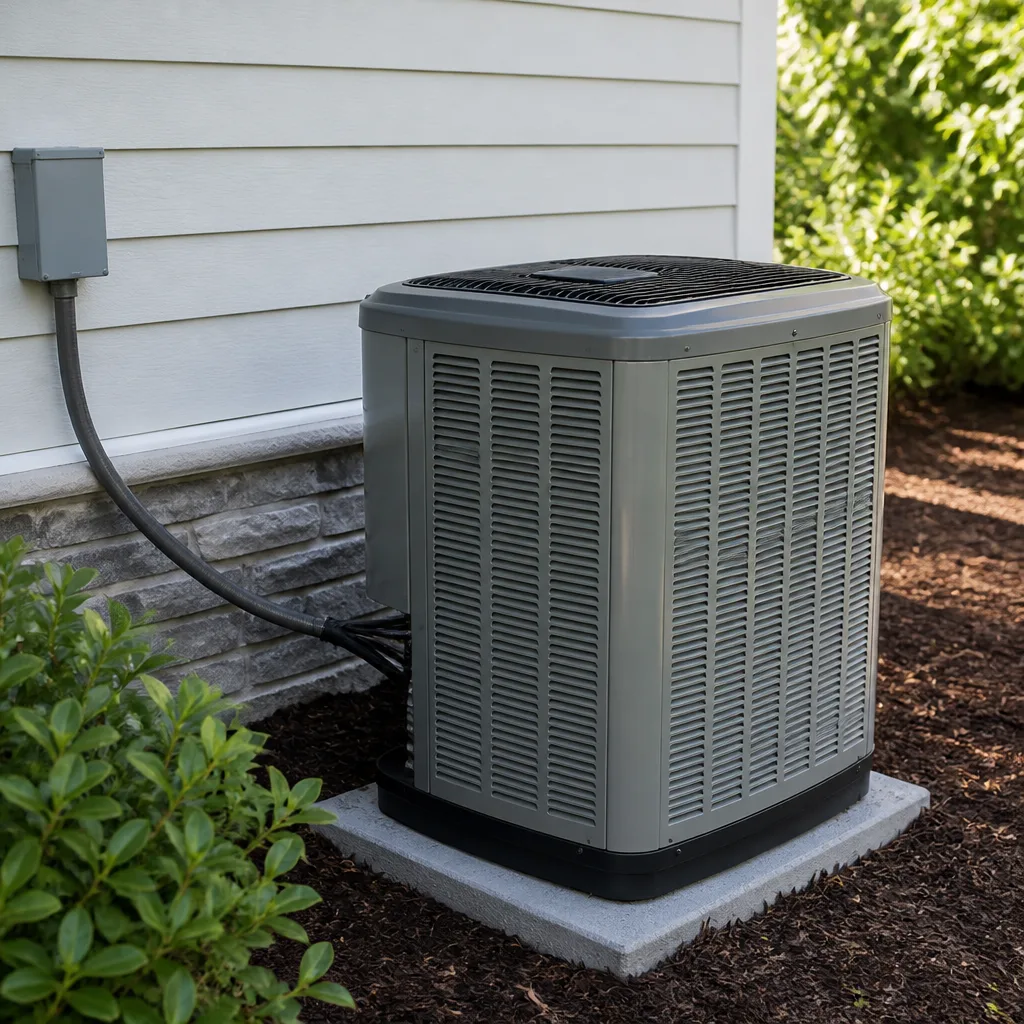 Trane
Trane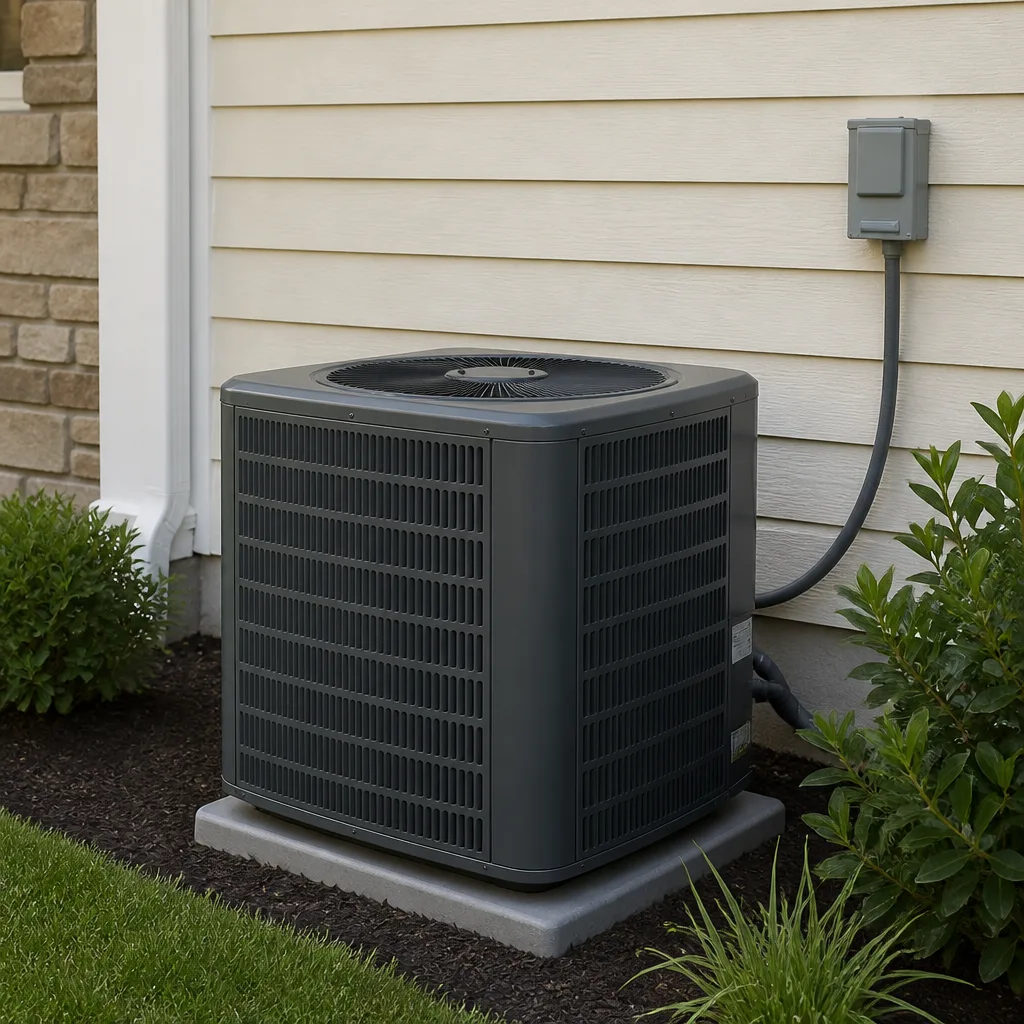 Goodman
Seasonal tune-up and full diagnostic on your Carrier, Trane, or Goodman system - readings shown to you before any repair is proposed
Diagnosis first, numbers second - you approve the repair price before a single part goes in.
Get your free estimateHVAC Warning Signs: A Las Vegas Homeowner’s Reference Guide
If your AC is keeping up on a 105°F day but struggling on a 112°F day, that’s not a weather problem. That’s a system that has already lost enough capacity to fail completely before August ends. Las Vegas heat doesn’t kill air conditioners suddenly. It starves them slowly, masking the warning signs behind dry air and the hum of every other compressor on the block. This guide covers the indicators that show up weeks or months before a total failure: the ones most homeowners are trained by habit to ignore because the system is still technically running. We’ll walk through the tests you can do tonight, the numbers that actually matter on your NV Energy bill, and the sounds that mean something specific. Written from the field, for homeowners in Las Vegas.
Styles & brands we work with
Quick Answer
The earliest HVAC warning signs in Las Vegas are subtle: a widening gap between your thermostat setting and actual room temperature on peak afternoons, a supply register blowing air that feels only mildly cool instead of cold, and runtime cycles that get shorter and more frequent in July and August. Any one of these means your system is losing capacity. Together, they mean failure is a matter of weeks, not months.
Table of Contents
- The Degree Differential Test
- Short Cycling: The Outdoor Noise Problem
- Three Capacitor Failure Symptoms in High Heat
- What an Abnormal NV Energy Bill Actually Looks Like
- Drain Line Warning Signs with Vegas Hard Water
- Other Early Signs Most Guides Skip
- Common Mistakes to Avoid
- When to Call a Professional
- Frequently Asked Questions
- The Bottom Line
The Degree Differential Test: Your AC’s Earliest Distress Signal
Every air conditioner is designed to cool the air passing through it by a specific amount, typically 15 to 20 degrees. This is called the temperature split or delta T, and it’s the single most useful diagnostic number a homeowner can measure without opening a single panel. The test is simple: measure the temperature of the air going into the return vent, then measure the air coming out of the supply vent closest to the indoor unit. Subtract. A healthy system in Las Vegas, even on a 110°F day, should produce a 15 to 20 degree difference. If the return air is 78°F, the supply air should be 58°F to 63°F. Anything under 15 degrees means the system is not cooling efficiently.
Here’s what a declining differential actually tells you. Refrigerant charge drops slowly over time, often through microscopic leaks in the evaporator coil. As the charge drops, the system loses cooling capacity in small increments. You won’t feel it on a 95°F day because the system still hits the thermostat setting, just with longer runtimes. But push the outdoor temperature past 108°F and the deficit shows up: the house creeps up to 78°F when the thermostat is set to 74°F, and the system runs continuously without ever satisfying the setting. We’ve measured supply air at only 12 degrees below return temperature on systems that homeowners described as “working fine” a month earlier. The coil was half-fouled with dust and pet hair, and the refrigerant was low enough that the compressor was running hotter than it should.
You can do this test with a $12 infrared thermometer from any hardware store. Point it at the return grille, note the temperature, then point it at the supply register. Do this at 3 p.m., not 9 a.m. The afternoon measurement matters because that’s when the system is working hardest. A 12-degree split at 3 p.m. is a system sending a distress call. A 15-degree split at 9 a.m. is a system that hasn’t been asked to work yet. If your split measures below 15 degrees on a hot afternoon, that’s the moment to schedule a service visit or consult our AC Repair Maintenance Checklist for Las Vegas Homeowners. Waiting until the split drops below 10 degrees usually means the compressor has been running hot for weeks, and the repair bill moves from hundreds to thousands.
Short Cycling: The Outdoor Noise Problem
Short cycling is the HVAC term for a system that turns on and off in rapid bursts instead of running a full cooling cycle. In a properly functioning system, the compressor runs for 10 to 20 minutes at a stretch, pulls the house down to the set temperature, and shuts off. A short cycling system might run for four minutes, shut down for three, run for five, shut down for four, and repeat all afternoon. Each of those start-ups pulls a massive surge of electricity and slams the compressor with mechanical stress. Short cycling is one of the leading causes of premature compressor death, and in Las Vegas it is particularly easy to miss.
Why? Because outdoor condenser noise blends together. On a summer afternoon in any Las Vegas neighborhood, the background soundscape is a wall of humming condensers. When your neighbor’s unit kicks on while yours kicks off, the sound profile doesn’t change much. You simply don’t notice the pattern. And because the house stays cool-ish – the system is still moving some air and the thermostat still reads the setting between cycles – there’s no obvious complaint. The failure only becomes visible when the cycle times get so short that the house can’t hold temperature at all. By then, the compressor may have been short cycling for weeks.
Here’s what to listen for. Stand near your condenser unit (the outdoor metal box) on a hot afternoon. Time how long it runs and how long it rests. Use a phone timer. A healthy run on a 105°F day is 12 to 18 minutes with a similarly long rest. A system that runs for five minutes or less, consistently, on a hot afternoon, is short cycling. The most common causes are an oversized system (rare in Vegas but it happens, especially in quick-flip houses), a refrigerant overcharge, a failing run capacitor that can’t keep the compressor spinning, or a thermostat placed in a bad spot that reads temperature incorrectly. All are fixable early. None fix themselves. If you catch short cycling in July, you’re looking at a part. If you miss it until the compressor locks up in August, you’re looking at a replacement. For context on what repairs cost, our AC Repair in Las Vegas page has line-item pricing.
Three Capacitor Failure Symptoms in High Heat
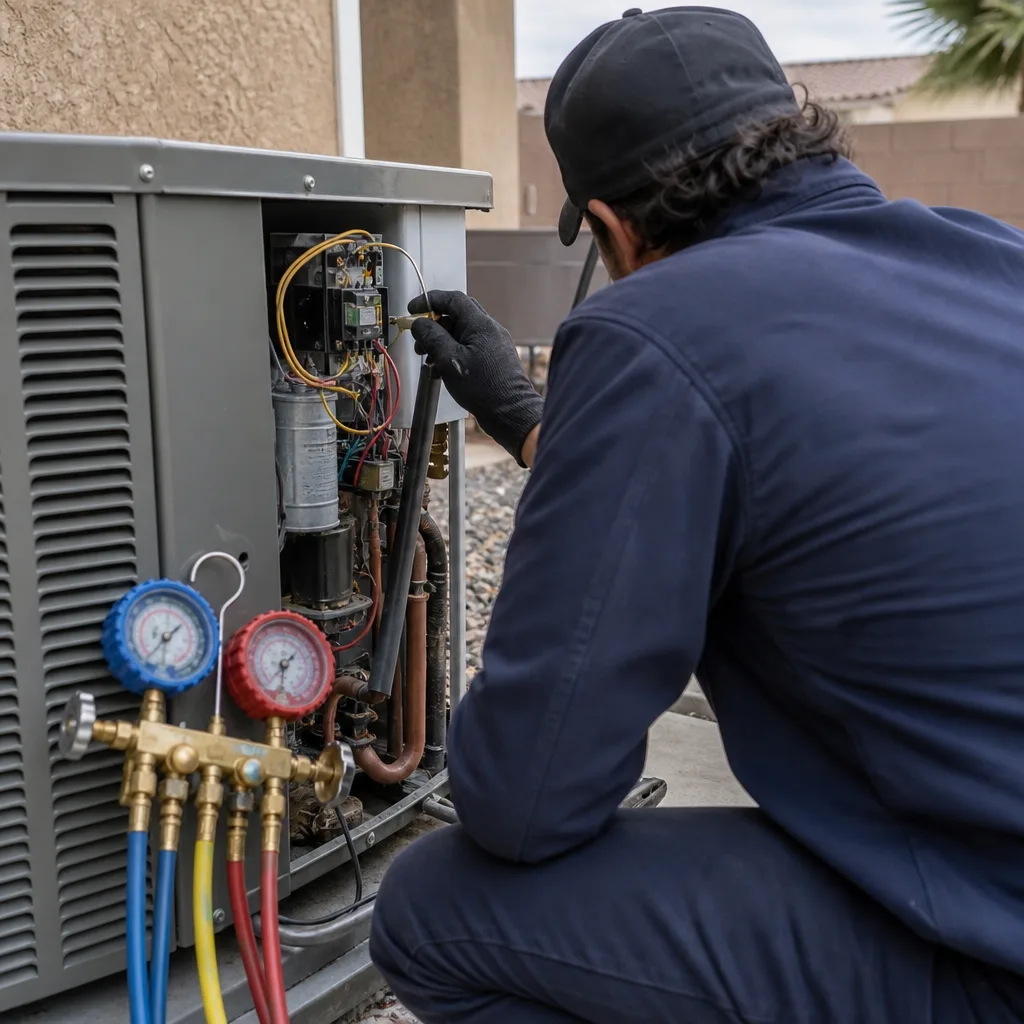
The capacitor is a small cylinder inside the condenser unit that stores and releases the electrical jolt needed to start the compressor and the fan motor. It’s a wear item – like brake pads or batteries – and it fails more often in Las Vegas than nearly anywhere else in the country. The reason is simple chemistry: capacitors contain an electrolytic fluid that breaks down faster in sustained high ambient temperatures. When your condenser is sitting on a west-facing concrete pad in 115°F heat, the internal temperature inside that metal cabinet can exceed 140°F. Every hour spent at that temperature shortens the capacitor’s life. Most capacitor failures in Las Vegas show three specific symptoms, and none of them are the dramatic “unit won’t turn on at all” that national guides describe.
1. Slow startup. When you walk past the condenser and hear the compressor take two or three seconds to “catch” – a sort of labored hum before the full sound kicks in – that’s a capacitor losing its ability to deliver the start-up jolt. A healthy start is nearly instantaneous. In Vegas, this often happens for several weeks before total failure.
2. Humming at power-on. A distinct, low humming sound at the unit that goes on for a few seconds and then stops, without the fan spinning, is the capacitor trying and failing to start the motor. On a noisy street, with other condensers running, this is easy to overlook. If you hear it, stand there and wait. A humming condenser that doesn’t spin within five seconds is in active failure.
3. Tripped breakers during peak afternoon hours. A weak capacitor draws more current as it struggles to start the compressor. That extra current draw can trip the HVAC breaker, but only during the hottest part of the day when the system is working hardest against the ambient heat load. If your AC breaker trips at 2 p.m., you reset it, and it holds until the next afternoon, that’s not an electrical gremlin. That’s often a capacitor in decline. The fix costs a fraction of what a compressor replacement costs, but you have to catch it before the capacitor fails completely and takes the compressor down with it.
What an Abnormal NV Energy Bill Actually Looks Like
Every HVAC guide says to watch for “higher than usual” energy bills. That advice is useless without numbers. In Las Vegas, where summer cooling costs dominate the household budget, the signal you’re looking for is specific and measurable. A typical 1,800 to 2,200 square-foot home in Las Vegas with a reasonably efficient AC system will use between 1,800 and 2,600 kWh per month during June, July, and August. Most of that summer load – 60 to 75 percent – is air conditioning. A system that is losing efficiency through refrigerant loss, coil fouling, or a failing capacitor will push that number up by 300 to 700 kWh per month.
What does that mean in dollars? At NV Energy’s current summer residential rates, the average price per kWh during peak season runs between 13 and 16 cents depending on your rate schedule. An extra 500 kWh per month means an extra $65 to $80 on a single summer bill. That’s the number to watch. Not “higher.” Not “seems expensive.” Look at your usage in kWh, not dollars, because NV Energy rate changes can mask efficiency loss. If your July usage jumps from 2,100 kWh to 2,700 kWh with no change in thermostat settings, no new hot tub, and no house guests, that’s a system problem, not a rate problem.
Here’s a monthly usage table for reference, based on what we see across Las Vegas metro homes:
- Spring/Fall (April, May, September, October): 700 – 1,300 kWh. AC runs intermittently. This is your baseline.
- Early summer (June): 1,500 – 2,200 kWh. AC runs daily. Efficiency loss starts to show as gradual increases.
- Peak summer (July, August): 1,800 – 2,600 kWh. AC runs 12+ hours daily. A system losing efficiency will push 3,000+.
- Winter (December, January, February): 400 – 900 kWh for gas-heat homes; 900 – 1,600 kWh for heat-pump homes. Furnace blowers draw far less power than compressors.
One caveat about winter numbers: if your home has a heat pump, winter usage will be higher because the heat pump is doing the heating. Don’t compare January usage to July usage directly. Compare January of this year to January of last year, and July to July. That year-over-year comparison is the cleanest signal. And if you see a persistent 20 to 30 percent jump in peak-summer kWh with no clear cause, have the system evaluated. The Halden Heating and Air Las Vegas home page has our full service overview, but the short version is this: a 30-minute diagnostic visit catches most of the causes of efficiency loss.
Drain Line Warning Signs with Vegas Hard Water
Las Vegas has some of the hardest municipal water in the country. That fact affects more than showerheads and coffeemakers. It affects your AC drain line. The evaporator coil produces condensation as it cools the air, and that water drips into a drain pan and flows through a PVC line to the outside. Over time, the minerals in Las Vegas water – primarily calcium and magnesium – build up on the inside of that line. The result is a slow restriction that eventually becomes a full clog. A clogged drain line triggers a float switch that shuts down the entire system, usually at the worst possible moment. The warning signs are there, but they’re easy to dismiss.
Gurgling sounds near the indoor unit. If you hear a bubbling or gurgling noise from your indoor air handler or furnace closet, that’s water trying to drain past a partial clog. It’s air being drawn through standing water in the drain pan. This sound is intermittent – it comes and goes with each cooling cycle – and it’s easy to write off as “house noise.”
White calcium deposits around the access port. The drain line usually has a clean-out access near the indoor unit, typically a small T-shaped fitting with a cap. If you see white, crusty buildup around that cap or on the outside of the pipe near the exit point, that’s mineral scale. It’s a direct visual signal that the same scale is forming inside the line. In our experience serving Las Vegas homes, visible exterior calcification almost always correlates with partial interior restriction.
Musty smell before the overflow. A musty or damp smell from the vents, particularly when the system first starts up, is often the first sign that water is pooling somewhere it shouldn’t. The smell comes from standing water in the drain pan beginning to grow biofilm. It arrives days or weeks before the float switch trips and the system shuts down. If you catch it at the musty-smell stage, a drain line flush is usually a quick, inexpensive service. If you wait until the system shuts off, you’re still looking at a relatively simple fix, but you’re also looking at an afternoon without AC. For furnace-related drainage issues in winter, see our Furnace Repair in Las Vegas page.
Other Early Signs Most Guides Skip
Beyond the big four, there are several smaller signals that are specific to the Las Vegas climate and building stock. These are the ones that most national guides never mention, because they’re written for climates where AC is a three-month convenience, not a five-month survival necessity. For a local perspective on year-round protection, see our Seasonal HVAC Care for Las Vegas: Year-Round Homeowner’s Guide.
Register temperatures that vary room to room. In many Las Vegas homes, ductwork runs through the attic, where ambient temperatures can exceed 140°F in July. A duct that has separated at a joint or been crushed by a previous attic visitor will deliver air that’s 10 to 15 degrees warmer than air from a properly connected register. If one bedroom is noticeably warmer than the rest of the house, and the register airflow feels weak, that’s a duct problem, not an AC problem. It’s also a problem that gets worse every summer as the attic heat degrades the duct insulation further.
Ice on the outside refrigerant line. In a dry climate like Las Vegas, ice on the larger copper line at the condenser is never normal. In humid climates, light frost can occur. Here, if you see actual ice, the system is severely low on refrigerant or the airflow across the evaporator coil is critically low. Either way, it’s a late-stage warning. Most systems that ice up in Vegas have been losing capacity for months.
Continuous operation without reaching setpoint. On a 110°F day, your system should cycle. It should run for 15 to 20 minutes, hit the set temperature, and shut off. If it runs continuously from noon to 9 p.m. and the thermostat still reads a degree or two above setting, the system has lost capacity. This is the single most common ignored warning sign in Las Vegas. Homeowners assume 110°F is just “too hot for the AC to keep up.” That’s not how these systems work. A properly sized, properly charged system is designed to hold temperature at our design day of 108°F. If it can’t, it’s not the weather. It’s the equipment.
Rust or corrosion at the base of the condenser. Look at the bottom edge of the outdoor unit. Rust, especially around the coil and pipe connections, indicates the coil is deteriorating. In Las Vegas, the dry air slows rust formation compared to coastal climates, so visible rust here means the unit has significant age or has been exposed to irrigation overspray or pet urine. Pool equipment chemicals do this too. If you see rust, have the coil inspected before it springs a refrigerant leak.
Common Mistakes to Avoid
- Ignoring the early-afternoon struggle. If the system holds 74°F at 11 a.m. but creeps to 77°F at 4 p.m., that’s not a normal heat-of-the-day pattern. That’s a capacity loss signal. Waiting until the system can’t hold temperature at all turns a repair into a replacement.
- Resetting a tripped breaker without investigating. A breaker that trips once per afternoon, every afternoon, is telling you something about the electrical load or the capacitor. Resetting it repeatedly without a service visit bakes the problem into the compressor.
- Comparing dollar amounts instead of kWh usage. NV Energy rate changes can mask efficiency loss. Always compare year-over-year kWh, not dollars. The same dollar bill can hide a 20 percent efficiency drop.
- Assuming a warm room is a duct design problem you should just live with. Uneven temperatures across rooms are usually fixable. A separated duct joint or a crushed duct in the attic is identifiable and repairable, and it often takes less than an hour.
- Waiting for the system to stop working before calling. By the time a Las Vegas AC shuts down completely, something has been failing quietly for weeks. The repair that would have been $180 in June becomes $900 in August, because the failing part has taken out something more expensive.
- Replacing the thermostat first. A thermostat is rarely the problem. The thermostat is the messenger. If the system is behaving erratically, the thermostat is doing its job, and the issue is usually in the equipment. We see homeowners replace a $40 thermostat and still have the same problem because the capacitor was failing the whole time.
When to Call a Professional
If your degree differential measures below 15 degrees on a hot afternoon, call. If your condenser is short cycling in bursts under six minutes, call. If you hear humming at the outdoor unit without the fan spinning, call within the day – that’s an active capacitor failure. If you see ice on the refrigerant line, call. If your peak-season kWh usage jumps more than 20 percent without explanation, call. If you smell musty air from the vents, call before the drain line trips the float switch. These are not “wait and see” situations. In Las Vegas, a system that’s showing any of these signs in July is a system that will fail in August. Halden Heating and Air Las Vegas offers free estimates in Las Vegas – call (725) 220-3488 and we’ll send a technician with a written price before any work starts.
Frequently Asked Questions
Run the degree differential test on a hot afternoon: measure the temperature at the return vent and at the supply vent. A difference under 15 degrees means the system is losing capacity and is likely weeks from a failure. Other early signs include short cycling, humming at the condenser, and rising kWh usage on your NV Energy bill. Call (725) 220-3488 for a free estimate if you notice any of these.
A healthy air conditioner in Las Vegas should produce a 15 to 20 degree temperature drop between the return air and the supply air. If the return air is 78°F, the supply air should be 58°F to 63°F. A split below 15 degrees on a hot afternoon indicates refrigerant loss, coil fouling, or another capacity problem.
Tripped breakers that occur only during the hottest part of the day are often caused by a failing capacitor that’s drawing excessive current to start the compressor. The capacitor degrades faster in Las Vegas due to sustained high ambient temperatures. Reset the breaker, but get the capacitor checked before it fails completely and damages the compressor.
Most AC repairs in Las Vegas run between $150 and $500 depending on the part. Capacitor replacements, drain line flushes, and minor electrical repairs sit at the lower end. Compressor or coil replacements run higher. Every repair from Halden Heating and Air Las Vegas includes a written price before work starts and a written guarantee. For a full breakdown, see our AC Repair in Las Vegas page.
If the system is under 10 years old and the repair is a single part like a capacitor, contactor, or drain line flush, repair is usually the right call. If the system is over 12 years old, has a refrigerant leak requiring a recharge, or needs a compressor replacement, a new system often makes better financial sense. Our AC Installation in Las Vegas page covers replacement factors in detail.
Running but not cooling well usually means one of three things: low refrigerant from a slow leak, a fouled evaporator coil, or a failing capacitor that’s preventing the compressor from running at full speed. Measure your degree differential to confirm, then call for a diagnostic visit. The earlier you catch it, the cheaper the fix.
The Bottom Line
Las Vegas heat is the hardest working environment for residential air conditioning in the country. The systems in your neighborhood are running harder, longer, and hotter than systems anywhere in the United States. That means the early warning signs matter more here, and they show up earlier. Learn the degree differential test. Time your condenser cycles. Watch your kWh, not your dollar total. Check for calcium at the drain line access. These are simple, free observations that take less than ten minutes a week during summer peak. They will catch a failing system weeks before it shuts down, and they will save you thousands in repair costs. If you find something wrong, don’t wait. The Las Vegas summer only gets hotter from here. For more guides & resources, visit our blog.
Written by Andre Fuller, Owner at Halden Heating and Air Las Vegas, serving Las Vegas since 2004.
See the difference
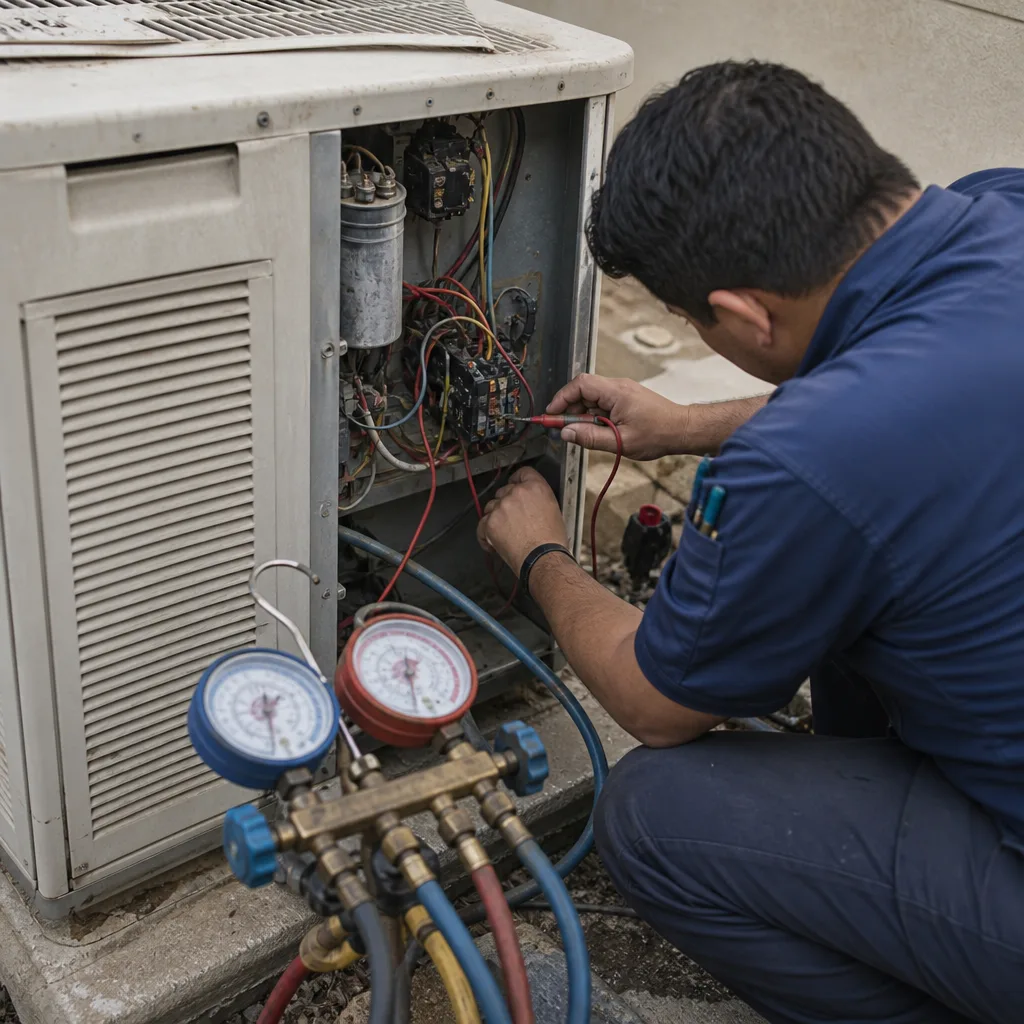 Before
 After
After Before
 After
After Before
 After
After